Methylhydrazine → N-(2-benzoyl-4-chlorophenyl)-methyl-hydrazinecarbothioamide
HRID 26641
反応式

[C:1]([C:9]1[CH:14]=[C:13]([Cl:15])[CH:12]=[CH:11][C:10]=1[N:16]=[C:17]=[S:18])(=[O:8])[C:2]1[CH:7]=[CH:6][CH:5]=[CH:4][CH:3]=1.[CH3:19][NH:20][NH2:21].[N-]=C=S>C(OCC)C>[C:1]([C:9]1[CH:14]=[C:13]([Cl:15])[CH:12]=[CH:11][C:10]=1[NH:16][C:17]([N:20]([CH3:19])[NH2:21])=[S:18])(=[O:8])[C:2]1[CH:3]=[CH:4][CH:5]=[CH:6][CH:7]=1参加物
5
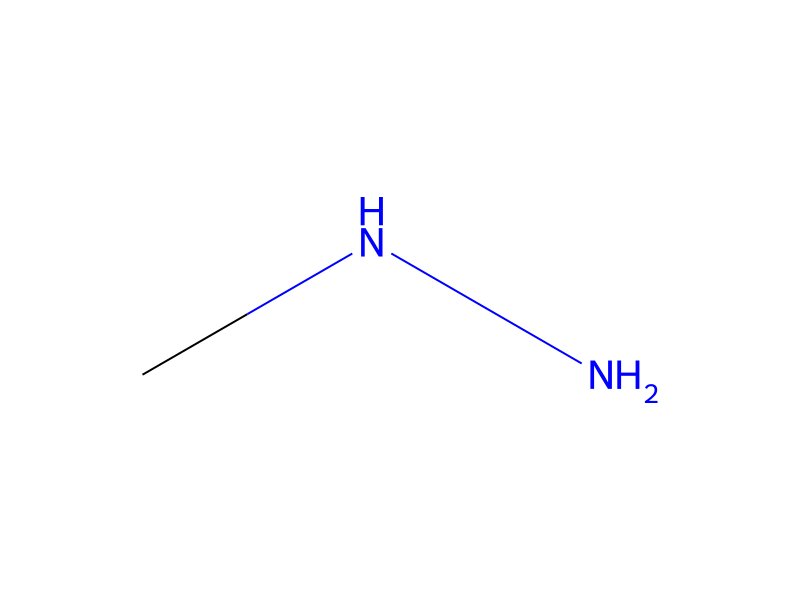



実験手順
A solution of 5.48 grams (0.02 mole) of 2-benzoyl-4-chlorophenylisothiocyanate in about 50 ml of ethyl ether was added dropwise to a solution containing 1.5 ml (0.028 mole) of methyl hydrazine (98%) in about 50 ml of ethyl ether cooled in an ice bath. Additional ethyl ether was added to facilitate stirring. Following addition of the isothiocyanate, the reaction mixture was stirred at room temperature for about 30 minutes. The solid was collected and washed with additional ethyl ether to yield 5.82 grams (91% yield) of N-(2-benzoyl-4-chlorophenyl)-methyl-hydrazinecarbothioamide as a white solid. The melting point was found to be 168.5°-170° C.