Triethylamine → HCID 70665405、化合物
反応式

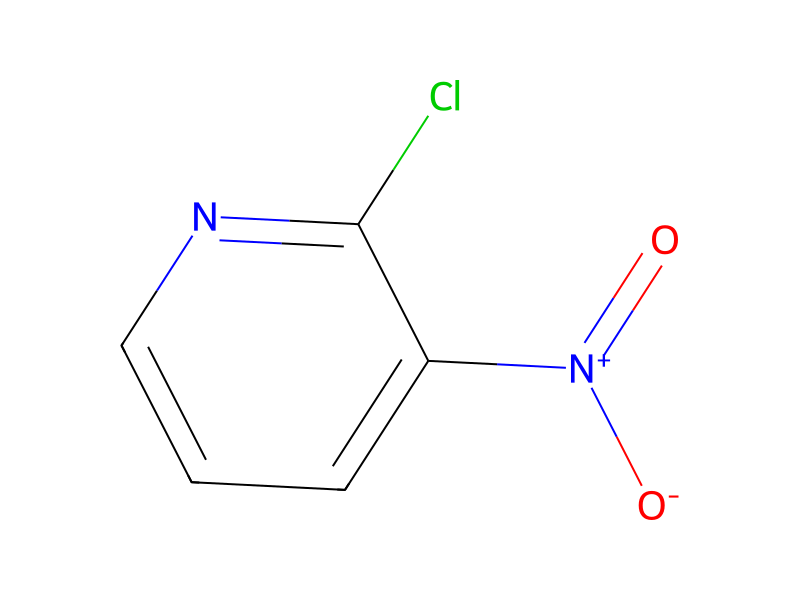
Cl[C:2]1[C:7]([N+:8]([O-:10])=[O:9])=[CH:6][CH:5]=[CH:4][N:3]=1.[CH:11]1[C:19]2[C:18]3[CH:20]=[CH:21][CH:22]=[CH:23][C:17]=3[O:16][C:15]=2[C:14]([NH2:24])=[CH:13][CH:12]=1.C(N(CC)CC)C>C(O)CCC>[CH:11]1[C:19]2[C:18]3[CH:20]=[CH:21][CH:22]=[CH:23][C:17]=3[O:16][C:15]=2[C:14]([NH:24][C:2]2[C:7]([N+:8]([O-:10])=[O:9])=[CH:6][CH:5]=[CH:4][N:3]=2)=[CH:13][CH:12]=1参加物
5




実験手順
2-chloro-3-nitropyridine (4.39 g, 27.7 mmol), dibenzo[b,d]furan-4-amine (5.58 g, 30.5 mmol), triethylamine (4.3 mL, 30.9 mmol), and butanol (90 mL) were mixed in a 250 mL round bottom flask. The reaction mixture was refluxed overnight under nitrogen. The solvent was evaporated, leaving an orange solid which was dried under vacuum. The solid was taken up in ethyl acetate, water was added and the layers were separated. The organic layer with washed with brine, dried over magnesium sulfate, filtered, and evaporated to a residue. The residue was purified on by column chromatography eluting with 10% ethyl acetate/hexanes followed by ethyl acetate (4.6 g, 54%).