Benzaldehyde → L-Gulose
HRID 345263
反応式

C(N(C1C=CC=CC=1)N=[CH:10][C@H:11]([C@H:13]([C@@H:15]([C@H:17]([CH2:19][OH:20])[OH:18])[OH:16])[OH:14])[OH:12])C1C=CC=CC=1.O.C(=[O:35])C1C=CC=CC=1.C(O)(=O)C1C=CC=CC=1>C(O)C>[O:20]=[CH:19][C@H:17]([C@H:15]([C@@H:13]([C@H:11]([CH2:10][OH:35])[OH:12])[OH:14])[OH:16])[OH:18]参加物
6

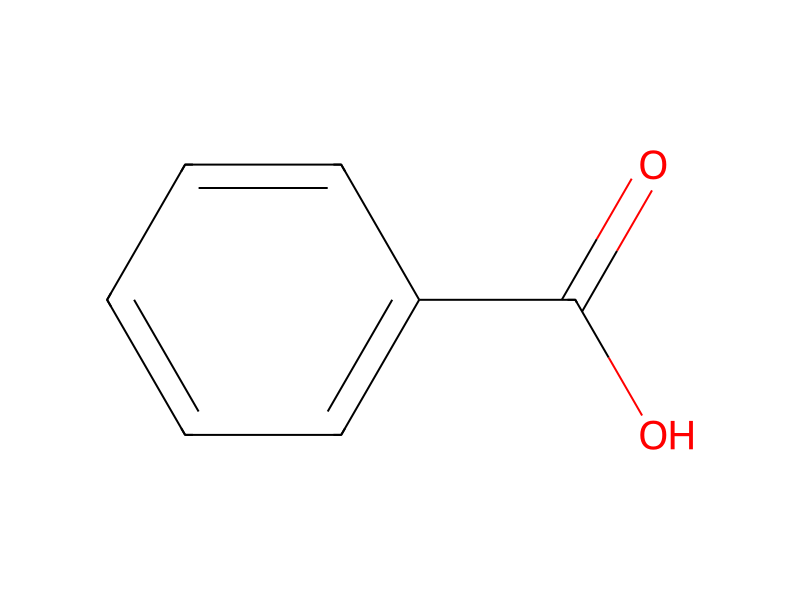




実験手順
The L-gulose benzylphenylhydrazone was refluxed for three hours with 100 ml. of water and 20 ml. of ethanol containing 7.5 ml. of benzaldehyde and 0.8 grams of benzoic acid. After cooling, the solution was decanted from the crystals of benzaldehyde benzylphenylhydrazone and extracted several times with ether to remove the benzaldehyde and benzoic acid. The solution was then decolorized with activated carbon and concentrated under reduced pressure to a colorless syrup to yield 3.4 grams of syrupy L-gulose.