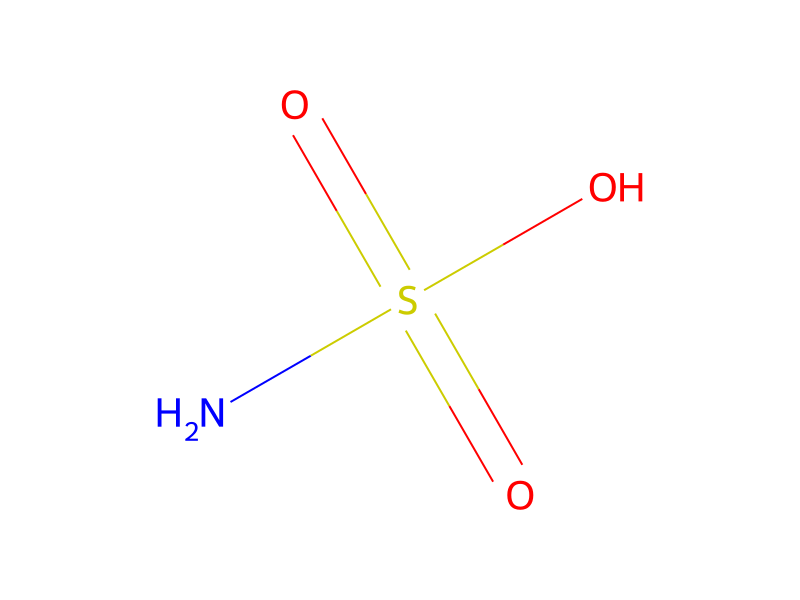
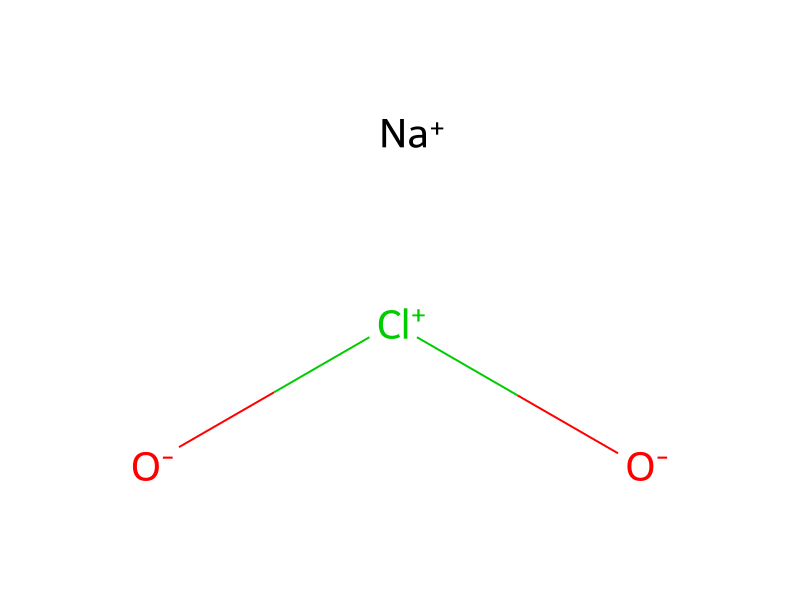
[CH2:1]([O:8][C:9]1[CH:16]=[CH:15][C:12]([CH:13]=[O:14])=[CH:11][C:10]=1[O:17][CH:18]1[CH2:22][CH2:21][CH2:20][CH2:19]1)[C:2]1[CH:7]=[CH:6][CH:5]=[CH:4][CH:3]=1.S(=O)(=O)([OH:25])N.Cl([O-])=O.[Na+]>C(O)(=O)C.O>[CH:18]1([O:17][C:10]2[CH:11]=[C:12]([CH:15]=[CH:16][C:9]=2[O:8][CH2:1][C:2]2[CH:7]=[CH:6][CH:5]=[CH:4][CH:3]=2)[C:13]([OH:25])=[O:14])[CH2:22][CH2:21][CH2:20][CH2:19]1A rapidly stirred solution of 4-benzyloxy-3-cyclopentyloxybenzaldehyde (10.5 g; that is prepared as described in Reference Example 37) in glacial acetic acid (100 mL) is treated with sulfamic acid (4.85 g) and stirred at room temperature for 10 minutes. The solution is then cooled in an ice bath and treated with a solution of sodium chlorite (4.2 g) in water (100 mL) during 15 minutes at 13°-15° C. During the addition a white precipitate forms and, because stirring becomes difficult, a further quantity of glacial acetic acid (60 mL) is added. After warming to room temperature, the solution is stirred for a further 6 hours and further quantities of sodium chlorite (1.6 g) and sulfamic acid (1.7 g) are added. The mixture is poured onto water and the resulting solid is filtered off and dried, to give 3-cyclopentyloxy-4-benzyloxybenzoic acid (10 g).