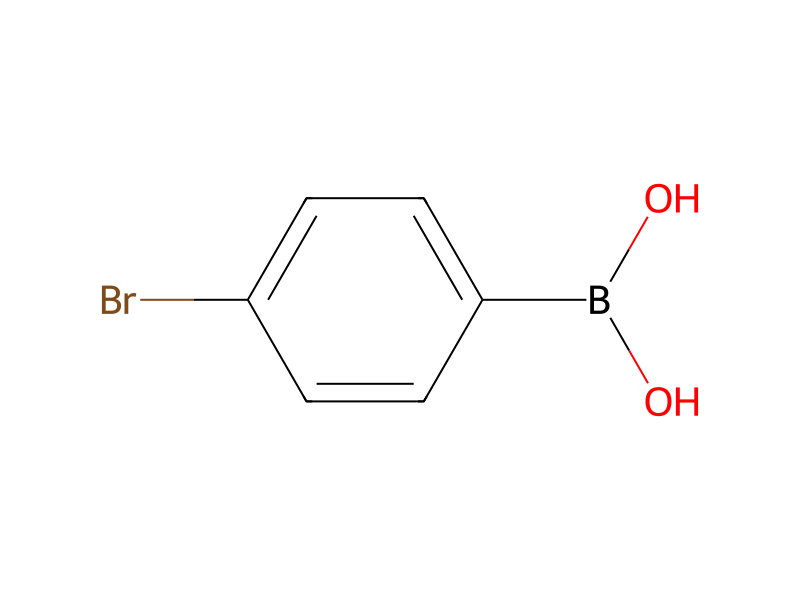
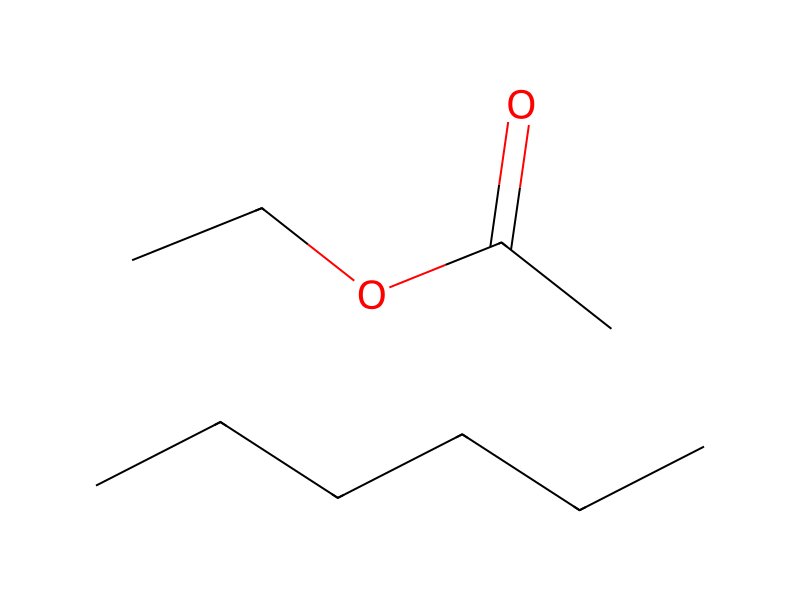
A mixture of 4-chloro-iodobenzene (0.99 g, 4.15 mmol), (4-bromophenyl)boronic acid (1.0 g, 4.98 mmol), anhydrous potassium carbonate (860 mg, 6.22 mmol) and dichlorobis(triphenylphosphine) palladium (II) (87 mg, 0.12 mmol) in toluene (40 ml) was heated at 90° C. for 4 hours under an argon atmosphere. The solvent was removed under reduced pressure and the residue was dissolved in dichloromethane (50 ml). The organic solution was washed successively with 1M hydrochloric acid (2×30 ml), saturated aq. sodium hydrogen carbonate (2×30 ml) and brine, dried over anhydrous magnesium sulfate and filtered. The solvent was removed under reduced pressure to leave an orange solid, which was purifed by trituration with ethyl acetate-hexane (1:6) to provide 4'-chloro-4-bromo-biphenyl (0.5 g, 45%) as a pale orange solid. 1H-NMR; δ (CDCl3) 7.49 (m).