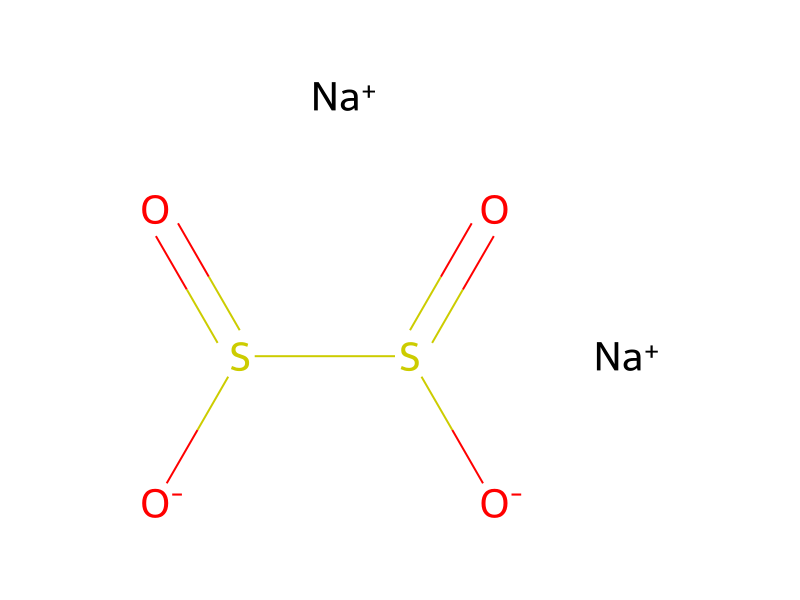
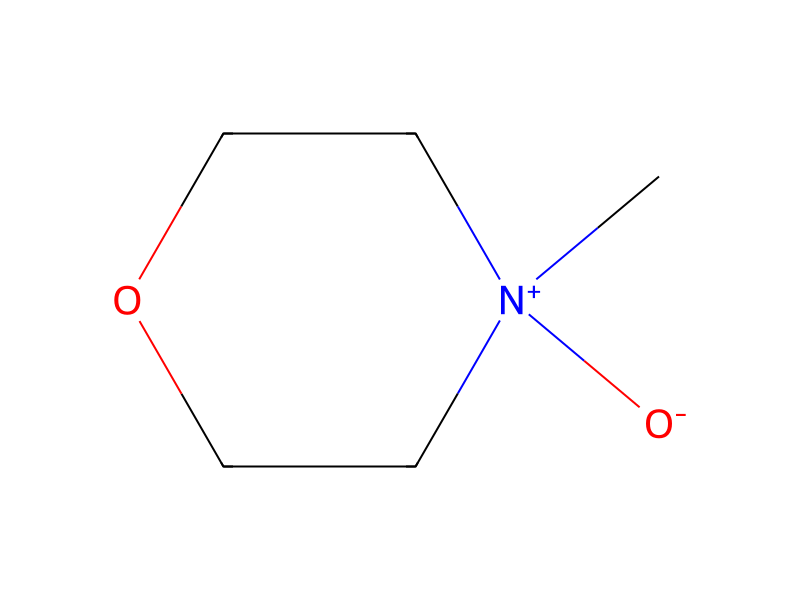
[CH3:1][N:2]1[CH:10]=[C:8]([CH3:9])[C:6](=[O:7])[N:5]([CH2:11][CH2:12][CH2:13][CH2:14][CH2:15][CH2:16]CC=C)[C:3]1=[O:4].C[N+]1([O-])CC[O:24]CC1.S(S([O-])=O)([O-])=O.[Na+].[Na+].[CH3:36][C:37]([CH3:39])=[O:38]>O>[OH:38][CH:37]([CH2:39][OH:24])[CH2:36][CH2:16][CH2:15][CH2:14][CH2:13][CH2:12][CH2:11][N:5]1[C:6](=[O:7])[C:8]([CH3:9])=[CH:10][N:2]([CH3:1])[C:3]1=[O:4]A solution of 1-methyl-3-(8-nonenyl)thymine (2.63 g, 9.9 mmol), 4-methylmorpholine-N oxide (1.39 g, 12 mmol), and potassium osmate (IV) dihydrate (7 mg, 2×10⁻⁵ mol) in acetone (20 mL) and water (10 mL) was stirred for 18 hours. After addition of a saturated aqueous solution of sodium hydrosulfite (10 mL) and 15 minutes of stirring, the reaction mixture was extracted with dichloromethane (50 mL) and with dichloromethane/20% methanol (2×50 mL). The combined organic layers were washed with water (15 mL) and saturated aqueous salt solution (15 mL), and then dried over sodium sulfate. The solvent was evaporated under vacuum to give a white solid residue. The solid was recrystallized in ethanol to yield 2.68 g (91% yield) 3-(8,9-dihydroxynonyl)-1-methylthymine (inventive compound no. 1918).