Water → N-(2-methoxybenzoyl)dehydroalanine
HRID 362753
反応式

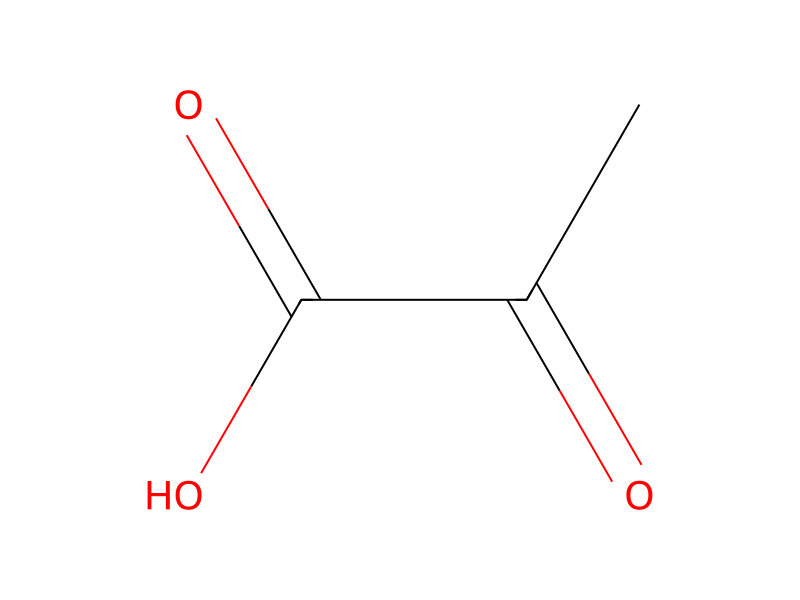
[CH3:1][O:2][C:3]1[CH:11]=[CH:10][CH:9]=[CH:8][C:4]=1[C:5]([NH2:7])=[O:6].[C:12]([OH:17])(=[O:16])[C:13]([CH3:15])=O.O>ClCCCl>[CH3:1][O:2][C:3]1[CH:11]=[CH:10][CH:9]=[CH:8][C:4]=1[C:5]([NH:7][C:13]([C:12]([OH:17])=[O:16])=[CH2:15])=[O:6]参加物
5




実験手順
A suspension of 2-methoxybenzamide in 1,2-di-chloroethane (24.5 ml/g) is brought to reflux in the presence of 3 equivalents of freshly distilled pyruvic acid in a round-bottomed flask surmounted by a system which makes it possible to remove the water formed during the reaction. When the formation of water has finished 15 (approximately 7 hours), the reaction mixture is left at room temperature. After filtering off the insoluble materials, the filtrate is extracted with an aqueous sodium bicarbonate solution. The combined aqueous phases are extracted with dichloromethane and then acidified with hydrochloric acid. The precipitate formed is filtered off, dried and then taken up in ethyl acetate. After filtering off the insoluble material, the filtrate is concentrated under vacuum, dissolved in dichloromethane and then precipitated with heptane, thus providing pure N-(2-methoxybenzoyl)dehydroalanine. (Nonoptimized yield 8.5%).