反応式
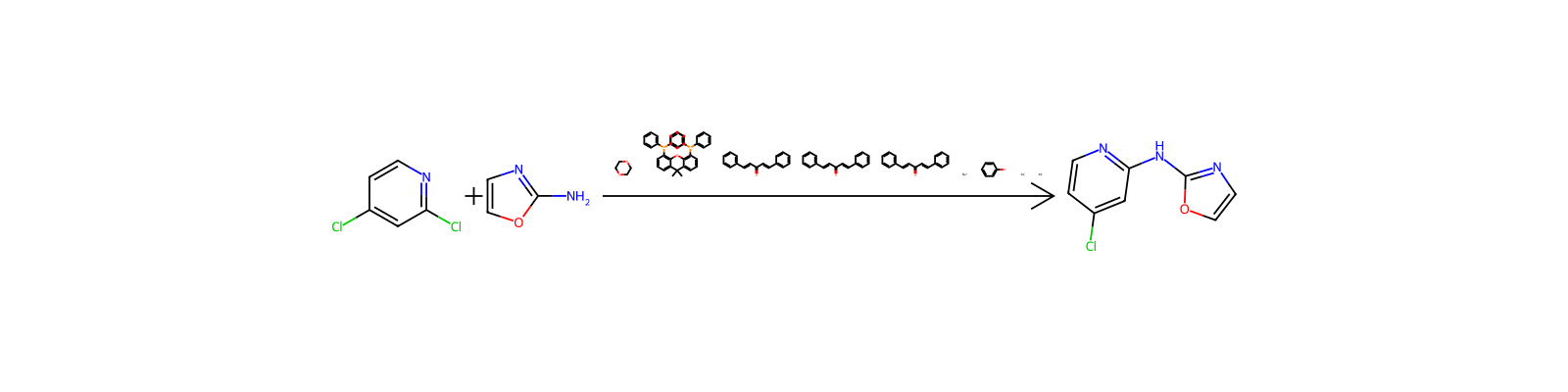
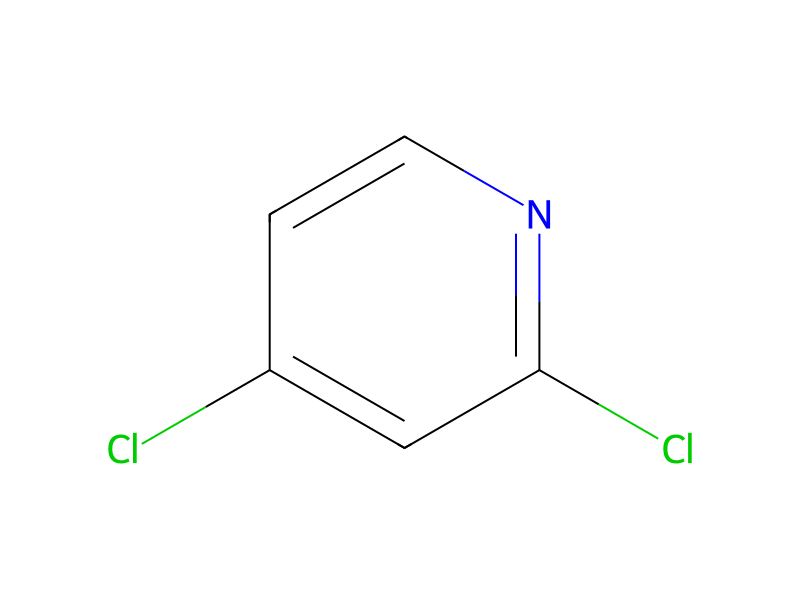
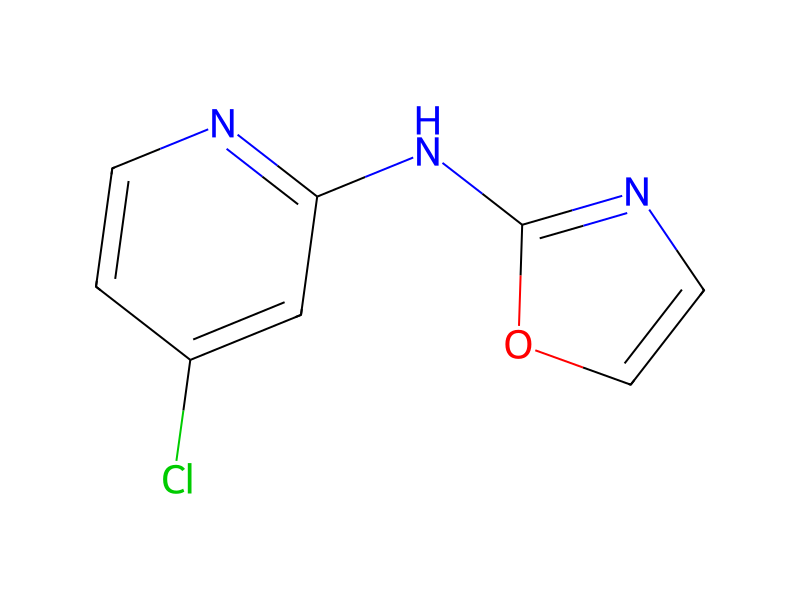
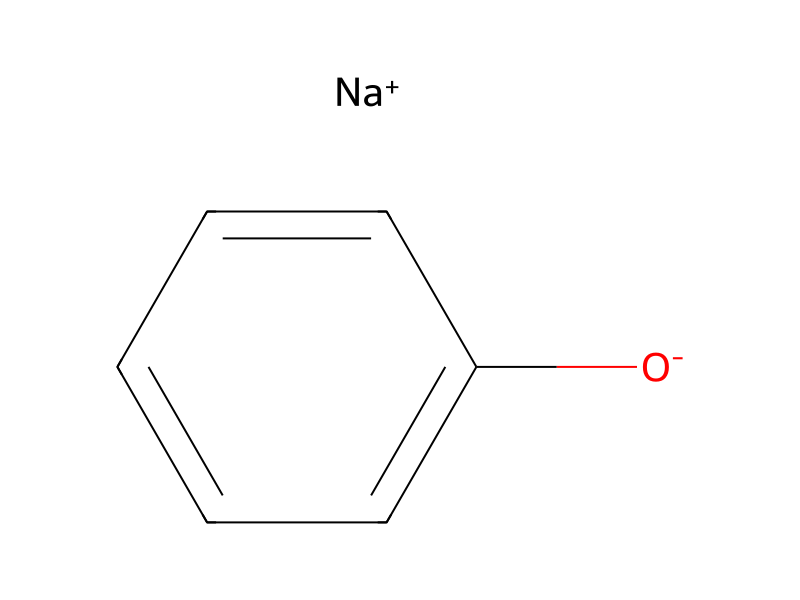
Clc1ccnc(Cl)c1.Nc1ncco1>C1COCCO1.CC1(C)c2cccc(P(c3ccccc3)c3ccccc3)c2Oc2c(P(c3ccccc3)c3ccccc3)cccc21.O=C(/C=C/c1ccccc1)/C=C/c1ccccc1.O=C(/C=C/c1ccccc1)/C=C/c1ccccc1.O=C(/C=C/c1ccccc1)/C=C/c1ccccc1.[Na+].[O-]c1ccccc1.[Pd].[Pd]>Clc1ccnc(Nc2ncco2)c1参加物
反応物 2

生成物 1
試薬・触媒・溶媒 4



反応条件
- 温度
- 130 °C
実験手順
To a microwave vial containing 2,4-dichloropyridine (0.109 mL, 1.01 mmol), sodium phenolate (177 mg, 1.52 mmol), TRIS(DIBENZYLIDENEACETONE)DIPALLADIUM(0) (11.60 mg, 0.01 mmol) and (9,9-dimethyl-9H-xanthene-4,5-diyl)bis(diphenylphosphine) (17.59 mg, 0.03 mmol) (Xantphos), was added degassed dioxane (4 mL) and the mixture allowed to stir under nitrogen atmosphere for 5 min. To this solution was added oxazol-2-amine (94 mg, 1.11 mmol) and the reaction mixture was heated to 130 °C for 30 min under microwave irradiation. **Apparently no 2-aminooxazole remains by proton NMR of crude reaction mixture upon removal of dioxane, however it's presence was observed by LCMS of the crude reaction mixture (see attached). It is possible that the presence of impurities/solvent etc. have shifted the resonances slightly for this starting material in** **1** **H NMR.** The crude product was purified by reverse-phase flash chromatography on C-18 modified silica, elution gradient 0 to 100% MeCN in water. Pure fractions were evaporated to dryness to afford N-(4-chloropyridin-2-yl)oxazol-2-amine (6.00 mg, 3.03 %) as a pale yellow dry film. 3 % of the required product was isolated and this sample was impure. Microwave heating has no positive effect under these reaction conditions. Upon submission of a crude sample of the reaction mixture to both starting materials were observed. Conclusion: 3% of impure material isolated, look for alternative conditions.
出典と根拠
- ORDレコード
- ord-db4d850d1c594ca584a3d40b664f692e
- 出典データセット
- 750 AstraZeneca ELN dataset
- 元リンク
- 出典を表示
関連ノート
読み込み中…