反応式

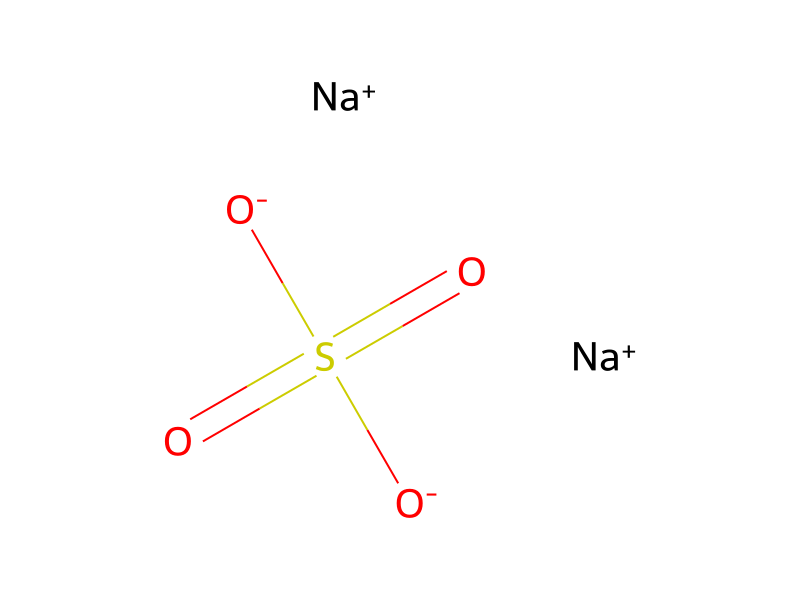
[CH:1]1[CH:6]=[N:5][C:4]([N-:7][S:8]([C:11]2[CH:16]=[CH:15][C:14]([NH2:17])=[CH:13][CH:12]=2)(=[O:10])=[O:9])=[N:3][CH:2]=1.[Na+].S([O-])([O-])(=O)=O.[Na+].[Na+].Cl>C(O)C>[CH:1]1[CH:2]=[N:3][C:4]([NH:7][S:8]([C:11]2[CH:12]=[CH:13][C:14]([NH2:17])=[CH:15][CH:16]=2)(=[O:10])=[O:9])=[N:5][CH:6]=1参加物




実験手順
An aqueous solution consisting of 0.5 g sodium sulfadiazine, 0.5 ml ethyl alcohol, 13 ml of 20% sodium sulfate and 20 ml of 5% gelatin (type B: acid processed) was titrated, while under constant agitation with a magnetic stirrer, with 18.4 ml of 0.1N hydrochloric acid solution. This procedure resulted in a white suspension of microencapsulated sulfadiazine particles. The suspension was then stirred for an additional 15 minutes, following which it was poured into 200 ml of cold (5° C.) 7% sodium sulfate solution, and stirred for 30 minutes at ice-bath temperature. This procedure caused gelling of the liquid gelatin shell of the microcapsules. The entire process was monitored by observation of samples in the optical microscope. The microcapsules were of assymetric appearance and of a size less than 10 μm.
出典と根拠
- ORDレコード
- ord-bf57c3b2dabf41d1825b6a2669e8256b
- 出典データセット
- uspto-grants-1986_08
- 特許番号
- US04608278
関連ノート
読み込み中…