Citric Acid → HCID 17805852、化合物
反応式

C([O:4][CH2:5][C:6]1[CH:11]=[C:10]([CH2:12][CH2:13][C:14]2[CH:19]=[CH:18][C:17]([N+:20]([O-:22])=[O:21])=[CH:16][CH:15]=2)[CH:9]=[C:8]([CH2:23][O:24]C(=O)C)[N:7]=1)(=O)C.C(OCC1C=C(CCC2C=CC([N+]([O-])=O)=CC=2)C=C(C)N=1)(=O)C.C(O)(=O)CC(CC(O)=O)(C(O)=O)O>C(O)C>[OH:24][CH2:23][C:8]1[CH:9]=[C:10]([CH2:12][CH2:13][C:14]2[CH:19]=[CH:18][C:17]([N+:20]([O-:22])=[O:21])=[CH:16][CH:15]=2)[CH:11]=[C:6]([CH2:5][OH:4])[N:7]=1参加物
5
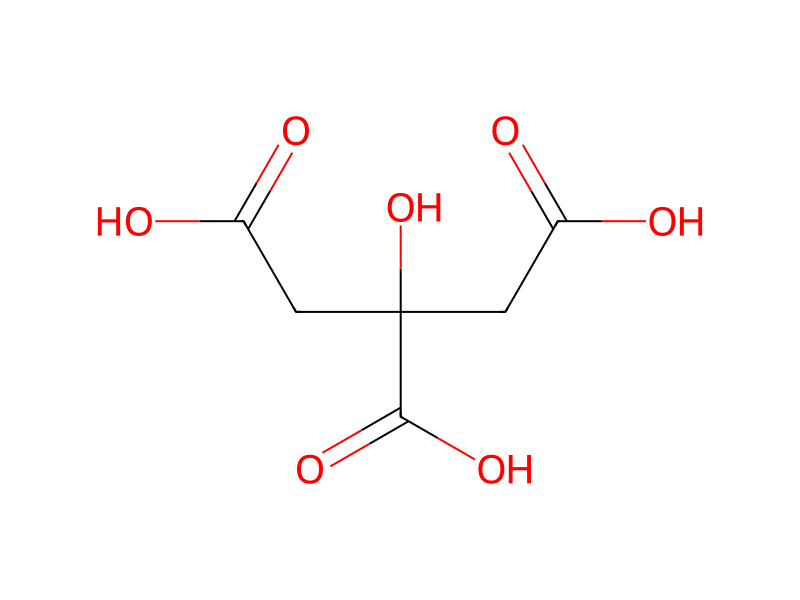



実験手順
Diacetate (7) (12.0 g, 34.1 mmol), was dissolved in 50 ml of ethanol. To this solution stirred at RT, sodium hydroxide 5 H, 20 ml was added at once. After 10 min, when the TLC test for the substrate was negative, the mixture was neutralized with citric acid, and partitioned between sat. sodium hydrogen carbonate and ethanol/chloroform 1:1. The extraction was repeated three times using 100 ml of organic solvent for each extraction. The combined extracts were evaporated and the residual mixture was flash chromatographed using finally 8% ethanol/ chloroform as a solvent. The appropriate pure fractions were collected and evaporated.