反応式

[NH:1]=[C:2]=[NH:3].C1C=[N+]([C@@H]2O[C@H](COP([O-])(O)=O)[C@@H](O)[C@H]2O)C=C(C(N)=O)C=1.[Mg+2].[Cl-].[Cl-].C1N(CCO)CCN(CCS(O)(=O)=O)C1.[OH-].[Na+].C1C=[N+]([C@@H:52]2[O:56][C@H:55]([CH2:57][O:58][P:59]([O:62][P:63]([O:66][CH2:67][C@H:68]3[O:72][C@@H:71]([N:73]4[C:77]5[N:78]=CN=[C:81](N)[C:76]=5[N:75]=[CH:74]4)[C@H:70]([OH:83])[C@@H:69]3[OH:84])([OH:65])=[O:64])([OH:61])=[O:60])[C@@H:54]([OH:85])[C@H:53]2[OH:86])C=C(C(N)=O)C=1>O>[CH2:57]1[O:58][P:59]([OH:61])(=[O:60])[O:62][P:63]([OH:65])(=[O:64])[O:66][CH2:67][C@H:68]2[O:72][C@H:71]([C@H:70]([OH:83])[C@@H:69]2[OH:84])[N:73]2[C:77](=[NH:78])[C:81]3=[C:76]([N:75]=[CH:74]2)[N:1]([CH:2]=[N:3]3)[C@@H:52]2[O:56][C@H:55]1[C@@H:54]([OH:85])[C@H:53]2[OH:86]参加物


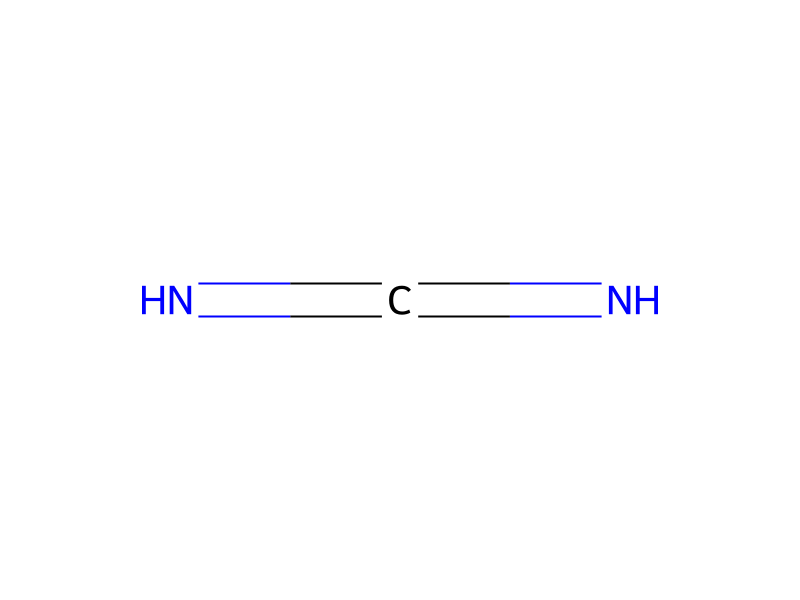



実験手順
The chemical coupling of 8-substituted AMP's to β-NMN to form 8-substituted NAD+ 's was performed by carbodiimide coupling essentially as described by Prescott and McLennan (Prescott, M. and McLennan, A. G. (1990) Anal. Biochem. 184, 330-337). 8-amino-AMP (0.1 μmol), β-NMN (1μmol) and MgCl2 (2 μmol) were combined in a microfuge tube and evaporated to dryness using a SpeedVac concentrator. The coupling reaction was initiated by adding 20 μl of 1.5M HEPES-NaOH, pH 6.8 and 20 μl of 1.5M 1-ethyl-3(3-dimethyl-amino-propyl)-carbodiimide-HCl (EDC) and incubated at 37° C. for 12 to 18 hours. The yield of 8-amino-NAD+ was between 40 and 50%. The reaction products were diluted to 1 ml with water and injected onto an AG MP 1 column (0.6×15 cm) which was eluted at a flow rate of 1 ml/min using a trifluoroacetic acid gradient from 1.5 to 150 mM over 30 minutes. The AG MP-1 purification system has been previously described (Lee, H. C. and Aarhus, R. (1991) Cell Regulation 2, 203-209, Axelson, J. T., Bodley, J. W., and Walseth, T. F. (1981) Anal. Biochem. 18, 333-364). The 8-amino-NAD+ peak was collected and evaporated to dryness on a SpeedVac concentrator. The coupling reactions using 8-Br-AMP and 8-azido-AMP were done identically, except that all manipulations with 8-azido-compounds were done in the dark or reduced light. 8-amino-NAD+ was converted to 8-amino cADPR using ADP-ribosyl cyclase purified from Aplysia ovotestis as previously described (Lee, H. C. and Aarhus, R. (1991) Cell Regulation 2, 203-209). The 8-amino-NAD+ was reconstituted with 1 ml of 25 mM HEPES-NaOH, pH 6.8 and incubated for 2 to 4 hours at room temperature with 45.4 units of ADP-ribosyl cyclase (1 unit is defined as the amount of enzyme that produces 1 nmol of cADPR from 1 mM NAD+ at room temperature and pH 6.8). The resulting 8-amino-cADPR was purified by AG MP-1 chromatography as described above. The purified 8-amino-cADPR was evaporated to dryness on a SpeedVac concentrator and stored at -20° C. The conversion of the 8-Br and 8-azido derivatives was identical to that described for 8-amino-NAD+. The ADP-ribosyl cyclase recognized each of the 8-substituted NAD+ derivatives and converted virtually all of the NAD+ derivatives to the corresponding cADPR derivatives.
後処理
- customevaporated to dryness
- customThe coupling reaction
- washwas eluted at a flow rate of 1 ml/min
- customover 30 minutes
- customThe AG MP-1 purification system
- customThe 8-amino-NAD+ peak was collected
- customevaporated to dryness on a SpeedVac concentrator
- custompurified from Aplysia ovotestis
- waitincubated for 2 to 4 hours at room temperature with 45.4 units of ADP-ribosyl cyclase
出典と根拠
- ORDレコード
- ord-52befe9138e14a55ba077131c4adf4d7
- 出典データセット
- uspto-grants-1996_01
- 特許番号
- US05486604
関連ノート
読み込み中…