反応式

[N:1]12[CH2:8][CH2:7][CH:4]([CH2:5][CH2:6]1)[CH:3]([NH:9][C:10](=[O:22])[C:11]1[CH:16]=[C:15]([Cl:17])[C:14]([NH:18][CH3:19])=[CH:13][C:12]=1[O:20][CH3:21])[CH2:2]2.C([O-])(=O)/C=C/C([O-])=[O:27]>>[ClH:17].[N:1]12[CH2:8][CH2:7][CH:4]([CH2:5][CH2:6]1)[CH:3]([NH+:9]([O-:27])[C:10](=[O:22])[C:11]1[CH:16]=[C:15]([Cl:17])[C:14]([NH:18][CH3:19])=[CH:13][C:12]=1[O:20][CH3:21])[CH2:2]2参加物
3

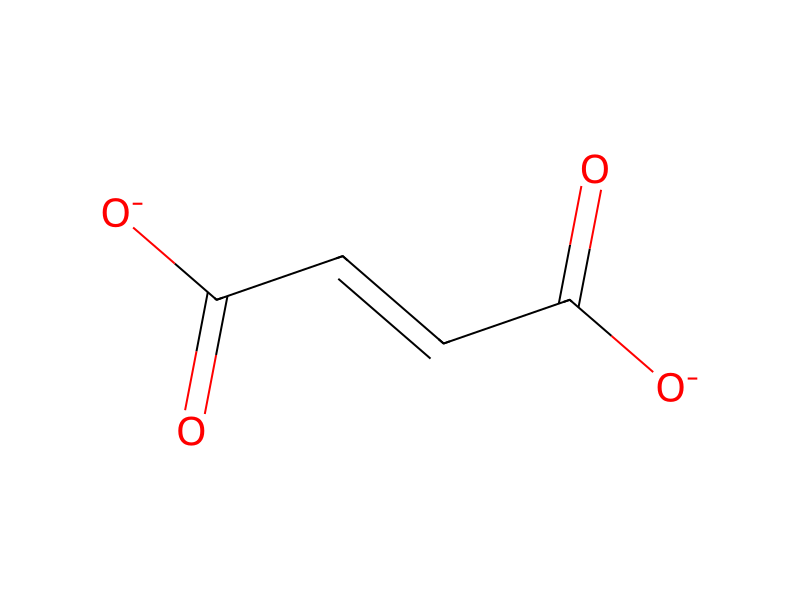

実験手順
N-(1-Azabicyclo[2.2.2]oct-3-yl)-5-chloro-2-methoxy-4-methylaminobenzamide, fumarate [1:1] is converted to the free base by partitioning with aqueous sodium hydroxide and methylene chloride. Using the procedure of Example 1, the free base is reacted with peracetic acid to obtain the N-oxide and finally with hydrogen chloride in isopropanol to give the hydrochloride.
後処理
- customby partitioning with aqueous sodium hydroxide and methylene chloride
- customthe free base is reacted with peracetic acid
出典と根拠
- ORDレコード
- ord-bc32b8c0b4ec4edd970f899e38ffb207
- 出典データセット
- uspto-grants-1988_02
- 特許番号
- US04722834
関連ノート
読み込み中…