ホームMCPワークベンチSkills
ホームワークベンチ通知マイページ
llms.txt · MCPガイドプライバシーポリシー · 利用規約 · サポートv1.8.0
  1. ホーム
  2. /反応

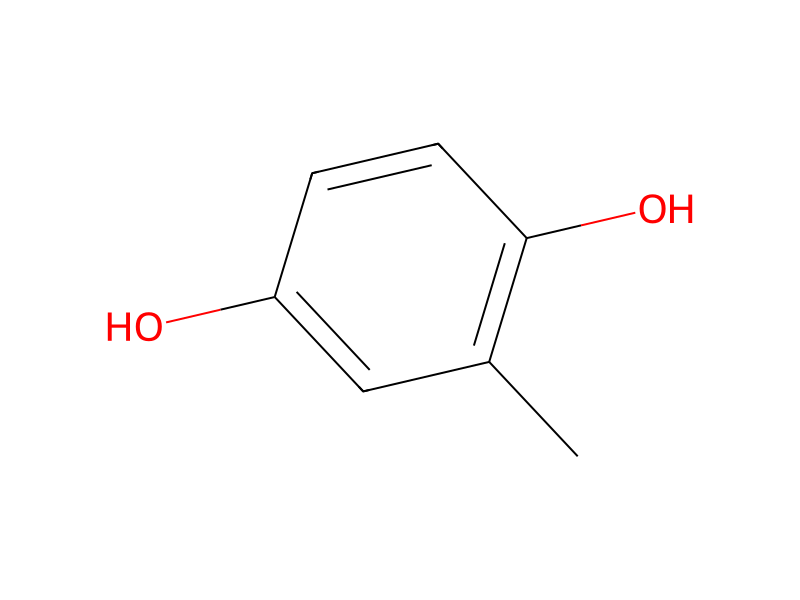
Methylhydroquinone → Durohydroquinone

HRID 380773
ノート
印刷プレビュー

反応式

HRID 380773 の反応式
[CH3:1]C1C=C(O)C=CC=1O.C[O-].[Na+].CC1C(C)=C(C=CC=1O)O.[CH3:23][C:24]1[C:25]([OH:33])=[C:26]([CH3:32])[C:27]([CH3:31])=[C:28]([CH:30]=1)[OH:29]>CO>[CH3:23][C:24]1[C:25]([OH:33])=[C:26]([CH3:32])[C:27]([CH3:31])=[C:28]([OH:29])[C:30]=1[CH3:1]
参加物実験手順後処理出典と根拠反応ノート

参加物

6

反応物 4

HCID 7253Methylhydroquinone2 回HCID 12785TrimethylhydroquinoneHCID 691002,3-DimethylhydroquinoneHCID 10942334Sodium Methoxide

生成物 1

HCID 136346Durohydroquinone

試薬・触媒・溶媒 1

HCID 887Methanol溶媒

実験手順

Into an autoclave (inner volume: 9 ml, made of Stainless Steel (SUS 316), equipped with amanometer) were charged 0.112 g of methylhydroquinone (manufactured by Wako Pure Chemical Ind., Ltd.), 3.372 g of methanol (extra fine reagent grade, manufactured by Wako Pure Chemical Ind., Ltd.) and 0.2 mg of sodium methylate (manufactured by Wako Pure Chemical Ind., Ltd.). The reaction was started by elevating the temperature up to 350° C. with sand bath. The pressure during the reaction was 16 MPa. After 2 hours, the autoclave was quickly cooled and the reaction solution was taken out from the autoclave when the temperature was cooled back to the room temperature. The measurement according to the process described above revealed that the conversion of methylhydroquinone was 59% by mole, the selectivity of dimethylhydroquinone was 69% by mole, the selectivity of trimethylhydroquinone was 10% by mole and no tetramethylhydroquinone was produced.

後処理

  1. customup to 350° C.
  2. temperaturethe autoclave was quickly cooled

出典と根拠

ORDレコード
ord-f4eafcf00494464d85a86476adefc404
出典データセット
uspto-grants-2001_10
DOI
10.6084/m9.figshare.5104873.v1
特許番号
US06303801B1

反応ノート

読み込み中…

このページの内容参加物実験手順後処理出典と根拠反応ノート

