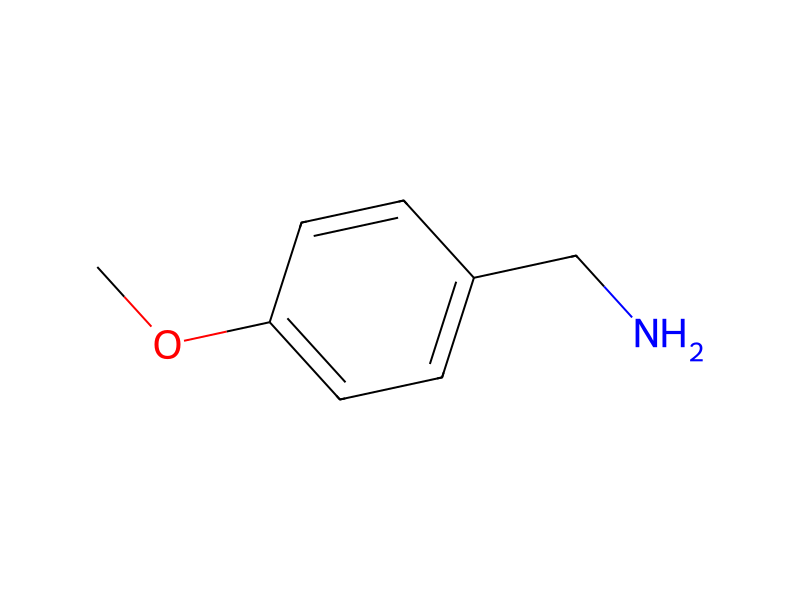
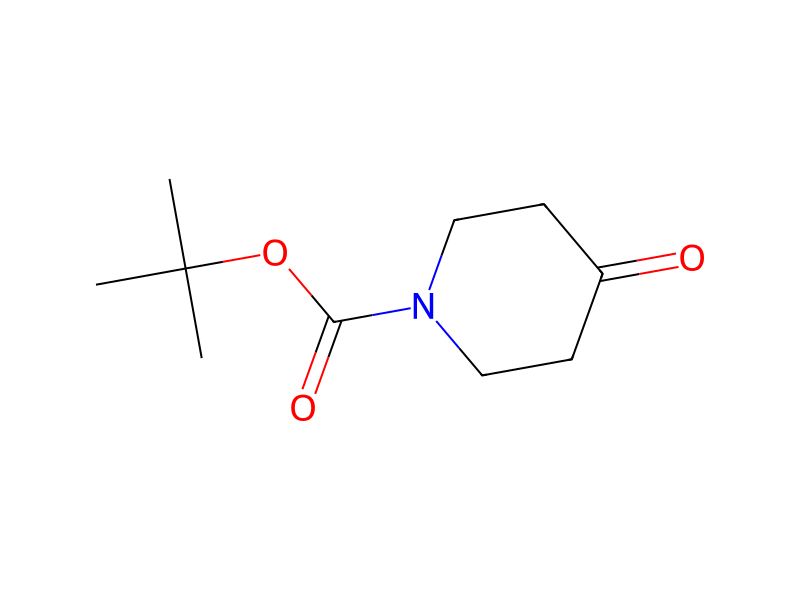
A 500-mL flask was charged with 4-oxo-piperidine-1-carboxylic acid tert-butyl ester (7.0 g, 35 mmol), 4-methoxy-benzylamine (4.8 g, 35 mmol) and 120 mL of toluene. The mixture was heated to reflux for 12 h. The yellow-orange solution was allowed to cool to ambient and then evaporated. The residue was used directly in the next step without further purification. It was dissolved in 150 mL of toluene. Then 3,5-dichloro-2-iodobenzoyl chloride (9.4 g, 28 mmol) and Et3N (4.5 g, 44 mmol) was added. The mixture was heated to reflux overnight. The mixture was acidified with 0.5 N aq HCl, and the layers were separated. The organic layer was washed with brine, dried and concentrated to give the crude product. It was purified by column chromatography (PE:EtOAc=15:1) to give the desired product (9.0 g, 42%).