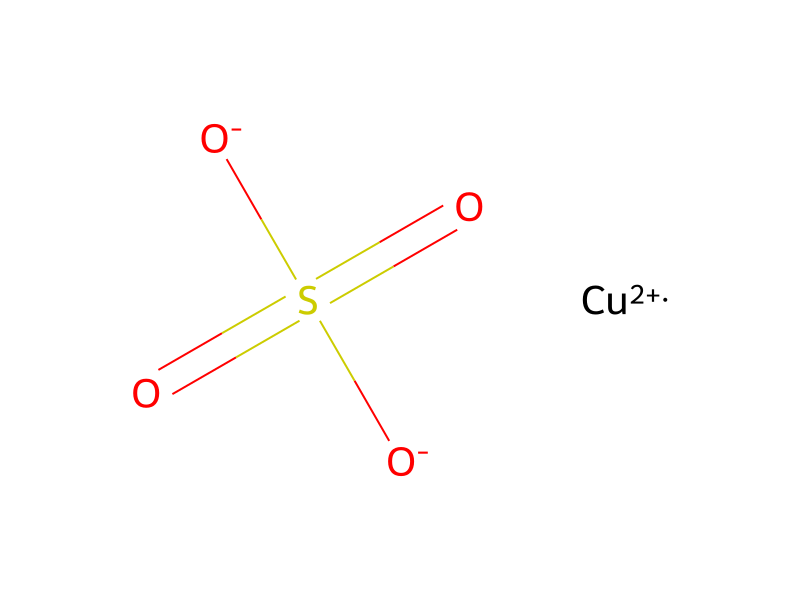
A flask was charged with water (42 ml), cooled to 0° C., and treated with concentrated hydrochloric acid (21.7 ml) and sulfuric acid (5.66 ml). To this was added 3-amino-5-bromobenzotrifluoride (8.77 ml, 62.5 mmol). The reaction was treated with a solution of sodium nitrite (5.39 g, 78 mmol) in water (10 mL). The resulting reaction mixture was stirred for 30 min at 0° C. The reaction was transferred to a solution of acetaldoxime (5.71 ml, 94 mmol) and copper(II) sulfate (0.499 g, 3.12 mmol) in water (30 mL) at room temperature. After stirring for 1 h at room temperature, the reaction was heated to reflux and held there for 3 h. The reaction was cooled and diluted with pentane. It gave an intractable suspension. The reaction mixture was filtered through a sintered glass funnel. The layers were separated. The organics were washed with water, then brine, dried over magnesium sulfate, and concentrated. The crude residue was distilled (high vacuum, 75° C.) to give 3 fractions of varying levels of purity. Total yield was 8.5 g (51%) with purity that ranged from 10:1 to 1:1. 1H NMR (500 MHz, CDCl3) δ ppm 8.25 (s, 1H), 8.11 (s, 1H), 7.95 (s, 1H), 2.63 (s, 3H).