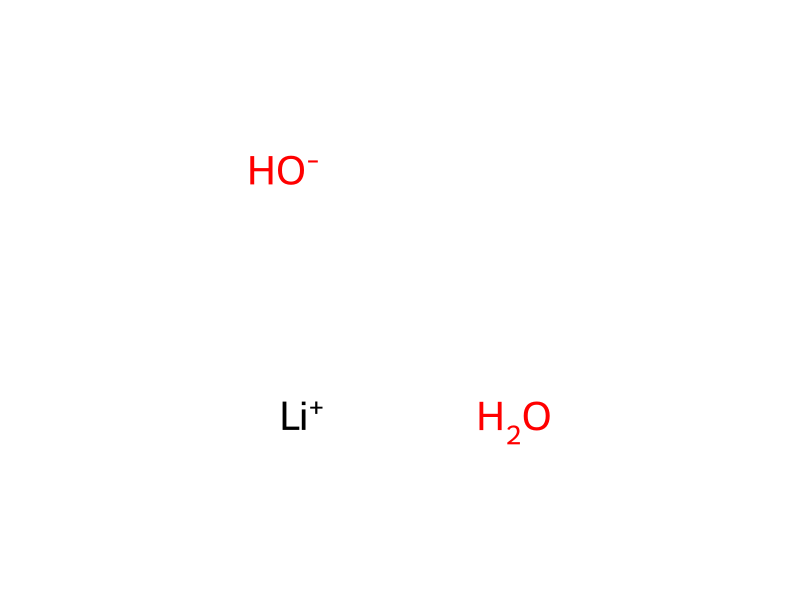
[NH2:1][C:2]1[N:7]=[C:6]([NH2:8])[C:5]([OH:9])=[C:4]([CH2:10][CH3:11])[N:3]=1.O.[OH-].[Li+].Br[CH2:16][CH2:17][CH2:18][O:19][C:20]1[CH:34]=[CH:33][CH:32]=[CH:31][C:21]=1[O:22][CH2:23][CH2:24][CH2:25][C:26]([O:28]CC)=[O:27]>CN(C=O)C.O>[NH2:1][C:2]1[N:7]=[C:6]([NH2:8])[C:5]([O:9][CH2:16][CH2:17][CH2:18][O:19][C:20]2[CH:34]=[CH:33][CH:32]=[CH:31][C:21]=2[O:22][CH2:23][CH2:24][CH2:25][C:26]([OH:28])=[O:27])=[C:4]([CH2:10][CH3:11])[N:3]=12,4-Diamino-6-ethyl-5-hydroxypyrimidine (0.4625 g, 3 mmol) was added to a stirred solution of lithium hydroxide monohydrate (0.4406 g, 10.5 mmol) in DMF (4 mL) and the reaction mixture was stirred at 25° C. for 1 hour. A solution of ethyl 4-(2-(3-bromopropoxy)phenoxy)butanoate (1.0357 g, 3 mmol) in DMF (1 mL) was added and the reaction mixture was left stirring at 25° C. overnight. DMF was partially removed under reduced pressure to give residue. The residue was diluted with water and extracted with dichloromethane. The aqueous layer was neutralized with dilute HCl to give white solid. Recrystallization with acetone afforded the desired diaminopyrimidine as white solid (0.6911 g, 59%, m.p. 204-206° C.). 1H NMR (400 MHz, DMSO-d6): 1.10 (3H, t, J=7.5 Hz), 1.91 (2H, m), 2.14 (2H, m), 2.31-2.39 (4H, m), 3.78 (2H, t, J=6.1 Hz), 3.96 (2H, t, J=6.4 Hz), 4.13 (2H, t, J=6.1 Hz), 5.60 (2H, s), 6.09 (2H, s), 6.86-6.90 (2H, m), 6.95-7.01 (2H, m).