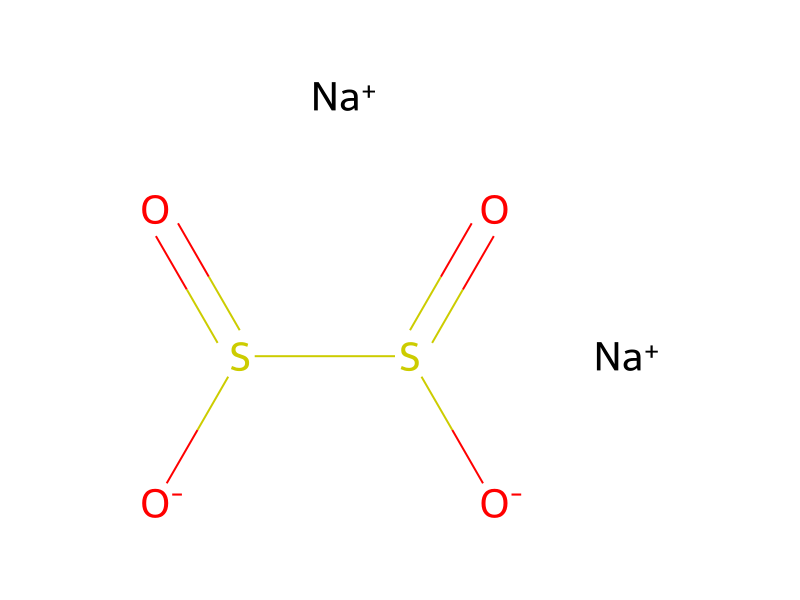
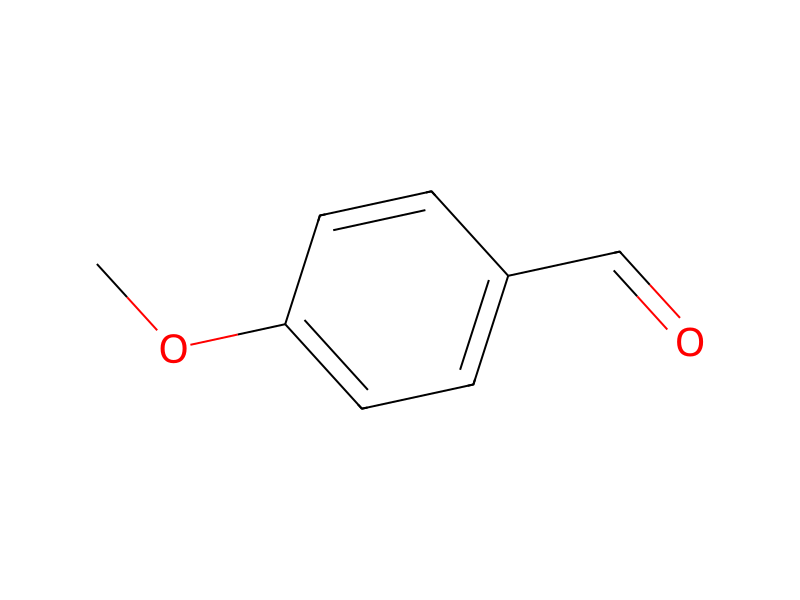
To a mixture of 5-bromo-4-(4-((2-methylthiazol-4-yl)methyl)piperazin-1-yl)-3-nitropyridin-2-amine (0.062 g, 0.15 mmol), ethanol (0.85 mL), DMF (0.15 mL) and 4-methoxybenzaldehyde (0.022 g, 0.165 mmol) was added a freshly prepared aqueous solution of Na2S2O4 (1M; 0.45 mL, 0.45 mmol). The reaction mixture was heated at 85° C. for 17 h, then allowed to cool to room temperature and the solvents were removed in vacuo. The residue was absorbed on preparative silica TLC plates, which were eluted with dichloromethane/methanol (v/v; 9:1). The isolated compound was further purified by column chromatography on a Biotage SP1 system eluting with methanol (2-10%) in dichloromethane. The title compound was obtained as a yellow solid after trituration with diethyl ether (0.010 g, 13%); 1H-NMR (500 Mz, DMSO-d6): δ 2.62-2.73 (m, 4H, piperazine N(CH2)2), 3.18 (s, 3H, Me), 3.60-3.74 (m, 4H, piperazine N(CH2)2), 3.85 (s, 3H, OMe), 4.00-4.20 (br s, 2H, NCH2), 7.11 (d, J=8.5 Hz, 2H, ArH), 7.33 (s, 1H, thiazole 5-H), 8.15 (d, J=9.0 Hz, 2H, ArH), 8.21 (s, 1H, imidazo[4,5-b]pyridine 5-H); LC (Method B)-MS (ESI, m/z) 3.14 min—499/501 [(M+H)+, Br isotopic pattern]. ESI-HRMS: Found: 499.0916, calculated for C22H23BrN6OS (M+H)+: 499.0915.