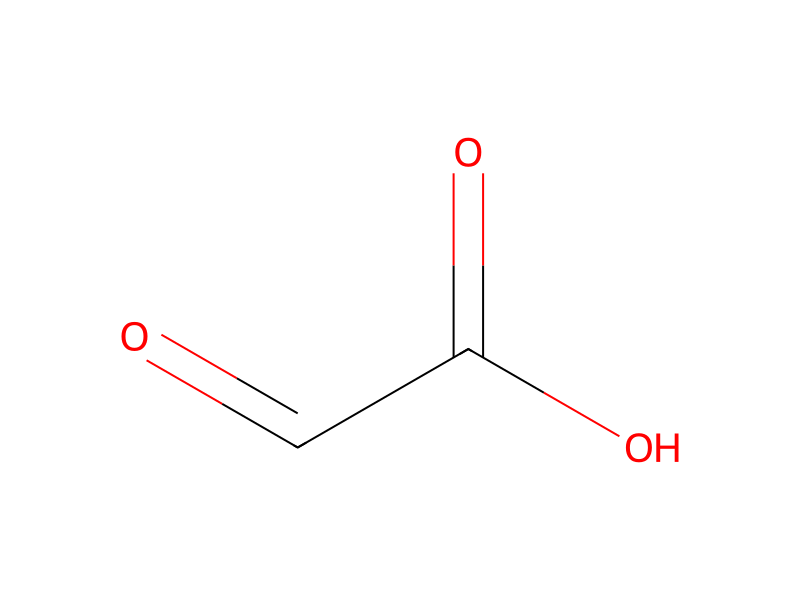
103 g of 2,6-di-tert.-butyl-phenol (0.5 mol) and 21 g of glyoxylic acid (0.25 mol) of (CHO.COOH) . 1/2 H2O) were dissolved in 300 ml of carbon tetrachloride and stirred at 50° C for about 40 hours. During the first 6 hours, a weak hydrogen chloride stream was passed through the solution, later saturation was completed from time to time by feeding in hydrogen chloride. After condensation was complete, the solvent was eliminated. The product obtained in a pasty form was dissolved and precipitated several times from hexane. The crystallized compound having a faint yellowish tinge melted at 211° C.