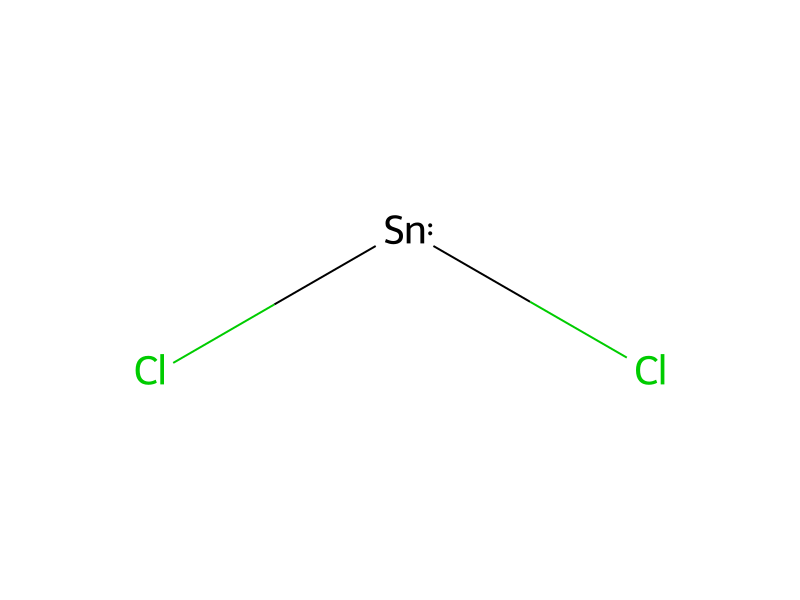
3-Bromo-4,5-difluoro-1,2-diaminobenzene was prepared using an adaptation of the method of Bellamy et al. (Bellamy, F. D. et al., Tetrahedron Lett. 25:839 (1984)). A mixture of 2-bromo-3,4-difluoro-6-nitroaniline (700 mg, 2.78 mmol) and SnCl2 ·2H2O (3.14 g, 13.9 mmol) dissolved in 7 mL ethyl acetate and 3 mL absolute ethanol under N2 was heated at 75° C. for 2 h. All the starting material had reacted as evidenced by TLC (silica gel, 2:1 hexanes:ethyl acetate). The reaction was allowed to cool to room temperature and poured into 20 mL crushed ice. Sufficient sat'd NaHCO3 solution was added (foaming ) to bring the pH to 5. The thick yellow white emulsion was then extracted with 3×25 mL ethyl acetate and the combined organic extracts washed with sat'd NaCl solution. The organic phase was dried (MgSO4), vacuum filtered and the solvent rotary evaporated to yield a dark brown oil which crystallized on standing to yield 410 mg (66%). 1H NMR (CDCl3) δ3.59 (br s, 4H, 2(NH2)); 6.52 (m, 1H, H-6).