ホームMCPSkillsワークベンチOpenChem
ホームワークベンチ通知マイページ
llms.txt · skill.md · MCPガイドプライバシーポリシー · 利用規約 · サポートv1.8.5
  1. ホーム
  2. /反応

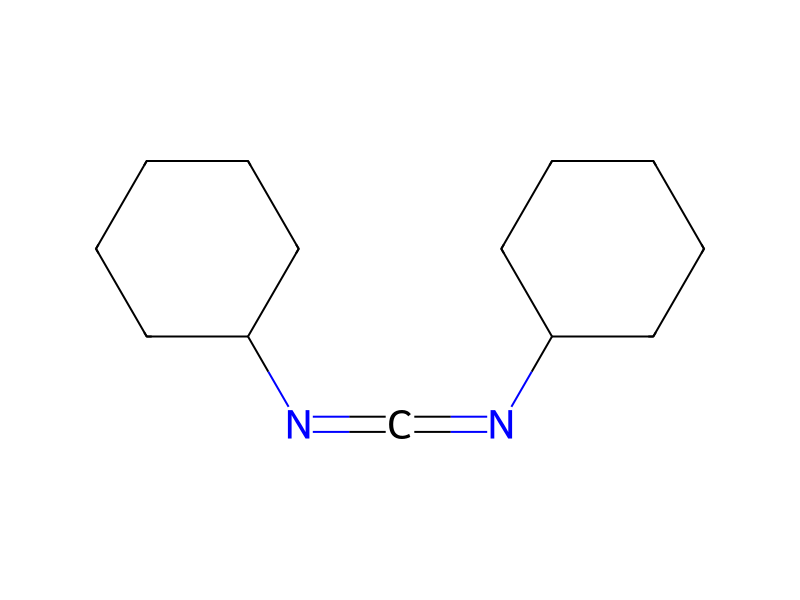
Dicyclohexylcarbodiimide → 5,5-Dimethyl-10-[2-methyl-4-(morpholino)butyryloxy]-8-(3-methyl-2-octyl)-2-(2-propynyl)-1,2,3,4-tetrahydro-5H-[1]benzopyrano[3,4-d]pyridine dihydrochloride

HRID 441888
印刷

反応式

[CH3:1][C:2]1([CH3:29])[C:21]2[CH2:22][CH2:23][N:24]([CH2:26][C:27]#[CH:28])[CH2:25][C:20]=2[C:5]2[C:6]([OH:19])=[CH:7][C:8]([CH:10]([CH:12]([CH3:18])[CH2:13][CH2:14][CH2:15][CH2:16][CH3:17])[CH3:11])=[CH:9][C:4]=2[O:3]1.[ClH:30].[CH3:31][CH:32]([CH2:36][CH2:37][N:38]1[CH2:43][CH2:42][O:41][CH2:40][CH2:39]1)[C:33](O)=[O:34].C1(N=C=NC2CCCCC2)CCCCC1>C(Cl)Cl>[ClH:30].[ClH:30].[CH3:29][C:2]1([CH3:1])[C:21]2[CH2:22][CH2:23][N:24]([CH2:26][C:27]#[CH:28])[CH2:25][C:20]=2[C:5]2[C:6]([O:19][C:33](=[O:34])[CH:32]([CH3:31])[CH2:36][CH2:37][N:38]3[CH2:39][CH2:40][O:41][CH2:42][CH2:43]3)=[CH:7][C:8]([CH:10]([CH:12]([CH3:18])[CH2:13][CH2:14][CH2:15][CH2:16][CH3:17])[CH3:11])=[CH:9][C:4]=2[O:3]1
参加物実験手順後処理出典と根拠反応ノート

参加物

5

反応物 3

HCID 10868DicyclohexylcarbodiimideHCID 990408-(1,2-Dimethylheptyl)-1,3,4,5-tetrahydro-5,5-dimethyl-2-(2-propyn-1-yl)-2H-(1)benzopyrano(4,3-c)pyridin-10-olHCID 681179462-Methyl-4-morpholinobutyric acid hydrochloride

生成物 1

HCID 214181385,5-Dimethyl-10-[2-methyl-4-(morpholino)butyryloxy]-8-(3-methyl-2-octyl)-2-(2-propynyl)-1,2,3,4-tetrahydro-5H-[1]benzopyrano[3,4-d]pyridine dihydrochloride

試薬・触媒・溶媒 1

HCID 6344Dichloromethane溶媒

実験手順

A combination of 5.0 g. (12.6 mmole) of 5,5-dimethyl-10-hydroxy-8-(3-methyl-2-octyl)-2-(2-propynyl)1,2,3,4-tetrahydro-5H-[1]benzopyrano[3,4-d]pyridine, 2.82 g. (12.6 mmole) of α-methyl-γ-morpholinobutyric acid hydrochloride, 2.78 g. (13.5 mmole) of dicyclohexylcarbodiimide and 250 ml. of methylene chloride was stirred at room temperature for 16 hours. The reaction mixture was cooled and the by-product of dicyclohexylurea was removed by suction filtration. The solvent was removed and the residue dissolved in a mixture of methylene chloride/cyclohexane and again filtered to remove a small amount of insoluble material. After evaporation of the solvents, the material was dissolved in methylene chloride and converted to the dihydrochloride salt by the addition of ethereal hydrogen chloride. The solvents were removed and the residue was recrystallized from a methylene chloride/diethyl ether mixture to give 4.2 g. (52%) of colorless crystals, m.p. 188°-192° C. The sample was shown to be free of starting material by thin layer chromatography (10% MeOH/CHCl 3), and the infrared and nuclear magnetic resonance spectra were consistent with the proposed structure.

後処理

  1. temperatureThe reaction mixture was cooled
  2. customthe by-product of dicyclohexylurea was removed by suction filtration
  3. customThe solvent was removed
  4. dissolutionthe residue dissolved in a mixture of methylene chloride/cyclohexane
  5. filtrationagain filtered
  6. customto remove a small amount of insoluble material
  7. customAfter evaporation of the solvents
  8. dissolutionthe material was dissolved in methylene chloride
  9. additionconverted to the dihydrochloride salt by the addition of ethereal hydrogen chloride
  10. customThe solvents were removed
  11. customthe residue was recrystallized from a methylene chloride/diethyl ether mixture
  12. customto give 4.2 g

出典と根拠

ORDレコード
ord-f344edaa0be44f6bb9d688975d392c14
出典データセット
uspto-grants-1977_08
DOI
10.6084/m9.figshare.5104873.v1
特許番号
US04042694

反応ノート

このページの内容参加物実験手順後処理出典と根拠反応ノート