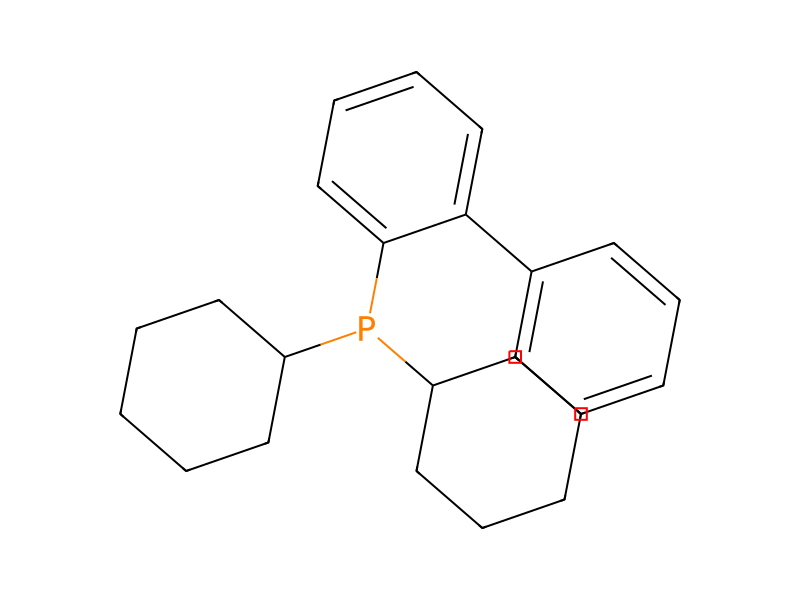
A solution of palladium(II) acetate (62.5 mg, 279 μmol) and 2-(dicyclohexylphosphino) biphenyl (201 mg, 557 μmol) in dioxane (1.5 mL) was stirred under argon at room temperature for 10 minutes, then added to a solution of 4-chloro-2-methoxypyridine (500 mg, 3.48 mmol), 1,4-dioxa-8-azaspiro[4.5]decane (499 mg, 446 μL, 3.48 mmol) and sodium tert-butoxide (502 mg, 5.22 mmol) in dioxane (1.5 mL), degassed and argon bubbled through the reaction during 5 minutes. The reaction mixture was heated in the microwave to 130° C. for 30 minutes. The reaction mixture was filtered through dicalite, water was added to the filtrate and the aqueous phase was extracted three times with ethyl acetate. The combined organic layers were dried over Na2SO4 and the solvent was evaporated. The residue was purified by flash chromatography (silica gel, 70 g, 80% to 100% ethyl acetate in heptane). The title compound was obtained as brown oil (700 mg, 80%).