反応式

[P].[V:2].[P:3](=[O:7])([OH:6])([OH:5])[OH:4].C(O)(=O)C(O)=[O:10].[O-2:14].[O-2].[O-2].[O-2].[O-2].[V+5].[V+5]>O>[OH-:4].[OH-:10].[OH-:14].[OH-:4].[OH-:4].[O-2:4].[O-2:4].[O-2:4].[O-2:4].[O-2:4].[O-:5][P:3]([O-:7])([O-:6])=[O:4].[O-:5][P:3]([O-:7])([O-:6])=[O:4].[O-:5][P:3]([O-:7])([O-:6])=[O:4].[O-:5][P:3]([O-:7])([O-:6])=[O:4].[O-:5][P:3]([O-:7])([O-:6])=[O:4].[V:2].[V:2].[V:2].[V:2].[V:2].[V:2]参加物
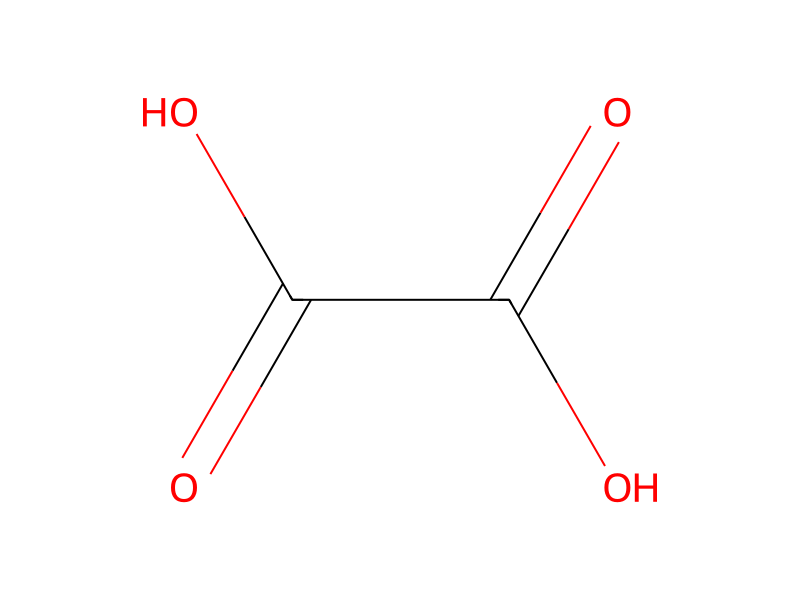



反応条件
- 温度
- 80 °C
実験手順
As an example of a starting material suitable for an amorphous complex oxide containing phosphorus and vanadium as the major constituents, a vanadyl phosphate solution was prepared. In 3.0 kg of deionized water, 2.956 kg of 85% phosphoric acid was dissolved, and 2.55 kg of oxalic acid (H2C2O4.2H2O) was further added and dissolved under heating. The solution was heated to 80° C., and 1.842 kg of vanadium pentoxide was gradually added and dissolved while paying a careful attention to the generation of bubbles. Then, the heating was continued for further 10 minutes under the boiling condition to complete the reduction. The solution was cooled, and deionized water was added to adjust the total amount to 10.00 kg, whereby the second component was obtained.
後処理
- dissolutiondissolved
- temperatureunder heating
- dissolutiondissolved
- temperatureThe solution was cooled
- additionwas added
- customwas obtained
出典と根拠
- ORDレコード
- ord-36d45b67db0c4a2e94a2d0d00f0d23dd
- 出典データセット
- uspto-grants-1985_05
- 特許番号
- US04520127
関連ノート
読み込み中…