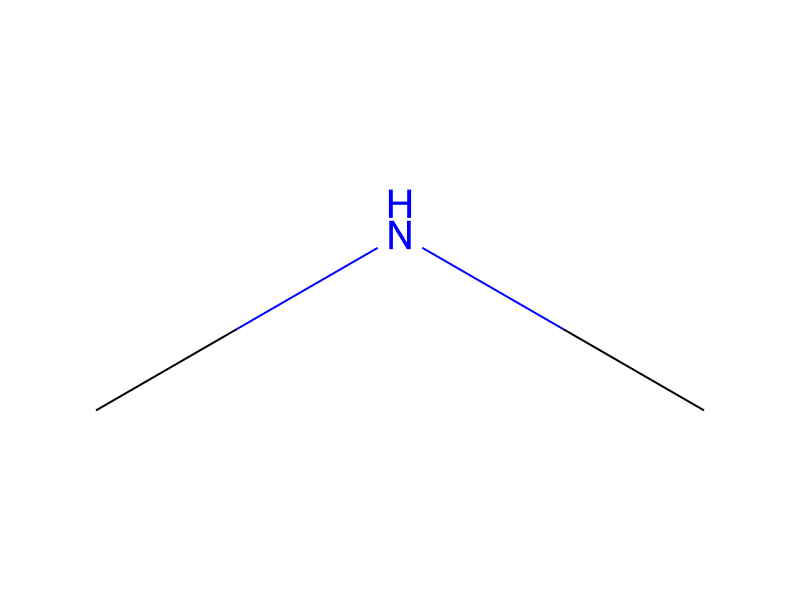
Dimethylamine → N,N-Dimethyl-2,3-dihydro-3-oxo-5,6-diphenyl-4-pyridazinecarboxamide
HRID 463965
反応式

[C:1]([C:4]1[C:5](=[O:22])[NH:6][N:7]=[C:8]([C:16]2[CH:21]=[CH:20][CH:19]=[CH:18][CH:17]=2)[C:9]=1[C:10]1[CH:15]=[CH:14][CH:13]=[CH:12][CH:11]=1)(O)=[O:2].[CH3:23][NH:24][CH3:25]>C1(C)C=CC=CC=1>[CH3:23][N:24]([CH3:25])[C:1]([C:4]1[C:5](=[O:22])[NH:6][N:7]=[C:8]([C:16]2[CH:17]=[CH:18][CH:19]=[CH:20][CH:21]=2)[C:9]=1[C:10]1[CH:15]=[CH:14][CH:13]=[CH:12][CH:11]=1)=[O:2]参加物
4



実験手順
8.0 grams (0.0275 mole) of the acid chloride of the product of Example 2 was reacted with excess dimethylamine in 200 mls of toluene. This solution was heated on a steam bath for 2 hours. The solution was filtered and the filtrate distilled at reduced pressure. The residual solid was filtered, washed with petroleum ether and air dried. There was isolated 5.0 grams of a solid which when recrystallized from absolute ethyl alcohol gave 2.5 grams of a white solid that melted at 278° C. The infrared spectrum showed two carbonyl bands one at 6.0μ, the other a 6.1μ. Analysis calculated for C19H17N3O2.1H2O, C, 70.4; H, 5.4; N, 12.9. Found: C, 70.1; H, 5.5; N, 12.9.