反応式

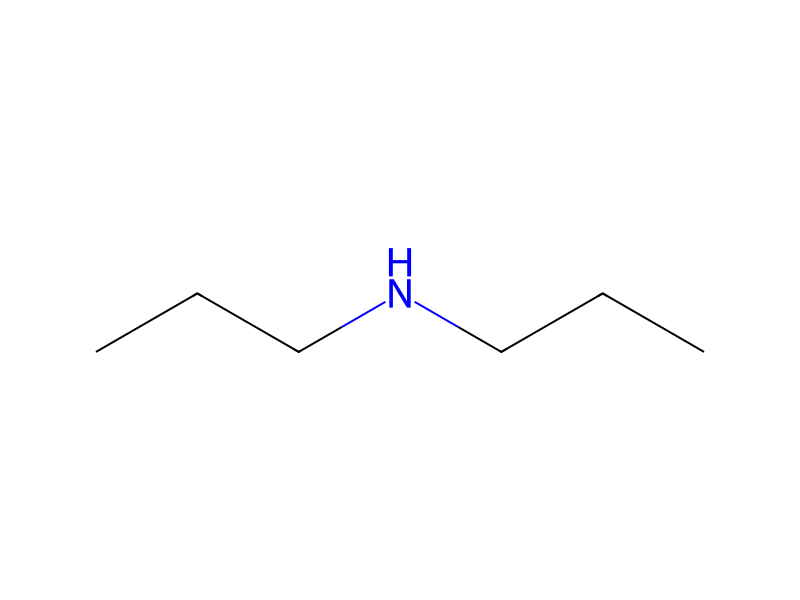
Cl[C:2]1[C:3]2[N:4]([C:12]([CH3:15])=[N:13][N:14]=2)[C:5]2[C:10]([N:11]=1)=[CH:9][CH:8]=[CH:7][CH:6]=2.Cl[C:17]1[C:18]2[N:19](C=NN=2)[C:20]2C(N=1)=CC=C[CH:21]=2.C(NCC)C.C(NCCC)CC>>[CH2:18]([N:19]([CH2:20][CH3:21])[C:2]1[C:3]2[N:4]([C:12]([CH3:15])=[N:13][N:14]=2)[C:5]2[C:10]([N:11]=1)=[CH:9][CH:8]=[CH:7][CH:6]=2)[CH3:17]参加物
5



実験手順
This compound was prepared by the method of Example 11, utilizing 4-chloro-1-methyl-[1,2,4]triazolo[4,3-a]quinoxaline (the product of Example 3) as starting material in place of 4-chloro-[1,2,4]triazolo[4,3-a]quinoxaline (the product of Example 2) and diethylamine as reagent in place of di-n-propylamine. The crude product obtained was recrystallized from chloroform and then from cyclohexane to afford 7.2 g. (54% yield) of pure 4-diethylamino-1-methyl-[1,2,4]triazolo[4,3-a]quinoxaline, m.p. 123°-125° C.
後処理
- customThe crude product obtained
- customwas recrystallized from chloroform
- customfrom cyclohexane to afford 7.2 g
出典と根拠
- ORDレコード
- ord-60902d7a6a584149b5bad04a7a52c7f5
- 出典データセット
- uspto-grants-1985_10
- 特許番号
- US04547501
関連ノート
読み込み中…