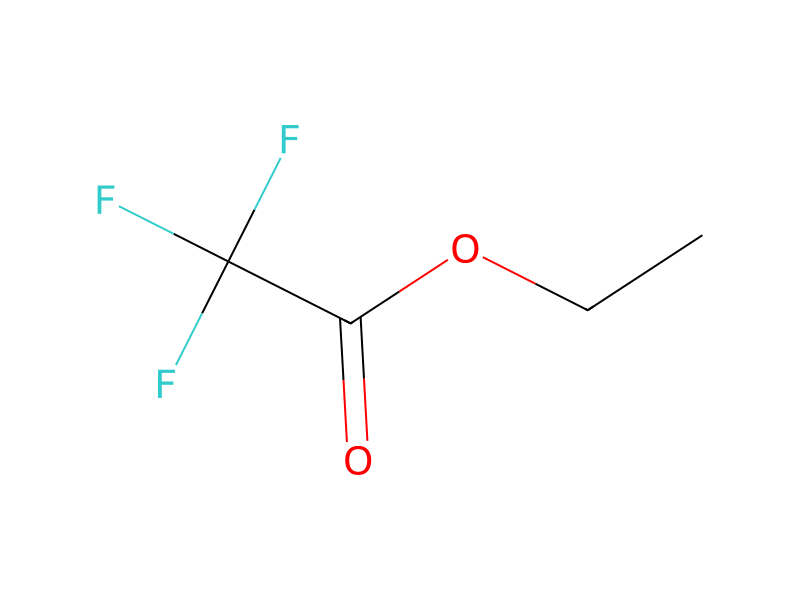
Ethyl trifluoroacetate → 2-N-trifluoroacetyl-6-N-benzyloxycarbonyl-lysine
HRID 478118
反応式

[CH2:1]([O:8][C:9]([NH:11][CH2:12][CH2:13][CH2:14][CH2:15][C@@H:16]([C:18]([OH:20])=[O:19])[NH2:17])=[O:10])[C:2]1[CH:7]=[CH:6][CH:5]=[CH:4][CH:3]=1.C([O:23][C:24](=O)[C:25]([F:28])([F:27])[F:26])C>C(O)C>[F:26][C:25]([F:28])([F:27])[C:24]([NH:17][C@H:16]([C:18]([OH:20])=[O:19])[CH2:15][CH2:14][CH2:13][CH2:12][NH:11][C:9]([O:8][CH2:1][C:2]1[CH:3]=[CH:4][CH:5]=[CH:6][CH:7]=1)=[O:10])=[O:23]参加物
4



実験手順
100.0 g (356.7 mmol) of 6-N-benzyloxycarbonyl-L-lysine is dissolved in a mixture that consists of 1000 ml of trifluoroacetic acid ethyl ester and 500 ml of ethanol, and it is stirred for 24 hours at room temperature. It is evaporated to the dry state, and the residue is crystallized from diisopropyl ether.