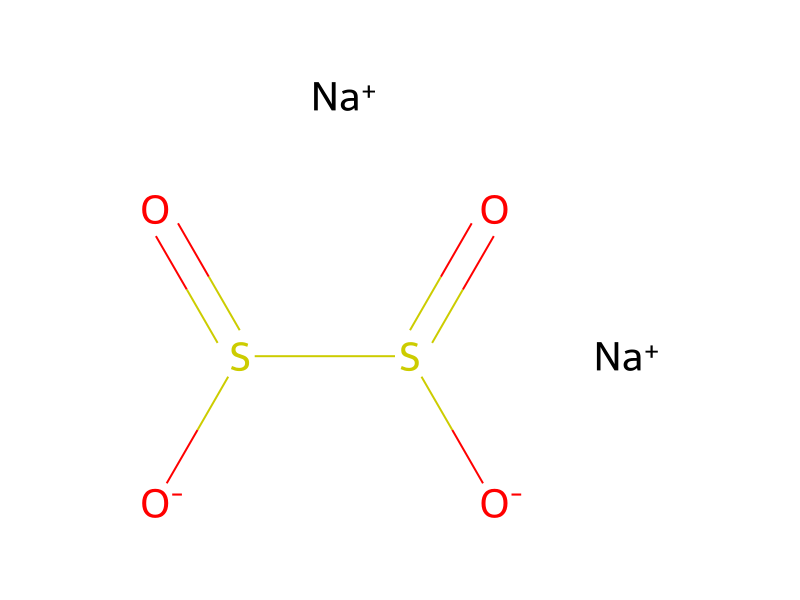
4-Chloro-3-nitrobenzaldehyde (4.00 mg, 21.6 mmol) in CH2Cl2 (150 mL) at 23° C. was treated with water (50 mL) and N, N′-diheptyl-4,4′-bipyridinium dibromide (220 mg, 10 mg/mmol of substrate). The biphasic mixture was cooled to 5° C. and treated with a solution of sodium dithionite (15.0 g, 86.0 mmol) and K2CO3 (13.4 g, 87.0 mmol) in water (45 mL). The cooling bath was removed and the biphasic mixture stirred vigorously at 23° C. for 4 hours. The mixture was partitioned between additonal CH2Cl2 (75 mL) and water (50 mL) and the aqueous layer was extracted with CH2Cl2 (75 mL). The organic portions were washed with brine (75 mL) and dried (Na2SO4). The residue was treated with ethyl acetate (25 mL) and silica gel (75 g) and the suspension was filtered through a small pad of Celite, rinsing with 10% ethyl acetate/CH2Cl2 (15 mL). The filtrate was concentrated to provide the title compound as an off-yellow powder (3.44 g, 22%).