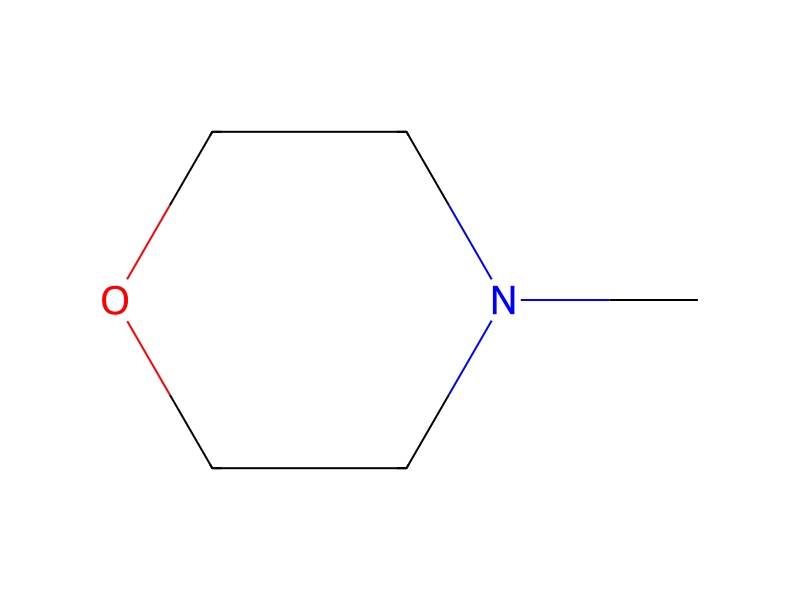
ClCCl.Cl.[OH:5][C@H:6]1[CH2:10][NH:9][C@H:8]([C:11]([O:13][CH2:14][C:15]2[CH:20]=[CH:19][CH:18]=[CH:17][CH:16]=2)=[O:12])[CH2:7]1.[CH3:21][N:22]1[CH2:27][CH2:26]O[CH2:24][CH2:23]1.OC1CN[C@H]([C:34]([O:36][CH2:37][C:38]2C=CC=CC=2)=[O:35])C1.C(OCC)(=[O:46])C>>[CH2:37]([O:36][C:34](=[O:35])[CH2:26][CH2:27][N:22]([CH2:23][CH3:24])[C:21]([N:9]1[CH2:10][C@H:6]([OH:5])[CH2:7][C@H:8]1[C:11]([O:13][CH2:14][C:15]1[CH:20]=[CH:19][CH:18]=[CH:17][CH:16]=1)=[O:12])=[O:46])[CH3:38]This residue is dissolved in 30 ml. of dichloromethane and (trans)-4-hydroxy-L-proline, phenylmethyl ester, hydrochloride (6.9 g., 1.2 eq.) is added. To the resulting suspension is added dropwise N-methylmorpholine (5.6 ml., 2.4 eq.) in 20 ml. of dichloromethane. The resulting mixture is stirred at room temperature for 15 hours. The solvent is removed at reduced pressure and the residue taken up in ethyl acetate. This is washed with water (twice), 1N hydrochloric acid (twice), 1N sodium bicarbonate (twice), and once with brine. After drying (MgSO4), the solvent is removed at reduced pressure. The residue is flash chromatographed (Whatman silica gel LPS-1, hexane:ethyl acetate; 65:35) to give 7.72 g. of (trans)-1-[[3-ethoxy-3-oxopropyl)ethylamino]carbonyl]-4-hydroxy-L-proline, phenylmethyl ester as a colorless oil; TLC (silica gel, ethyl acetate) Rf =0.34.