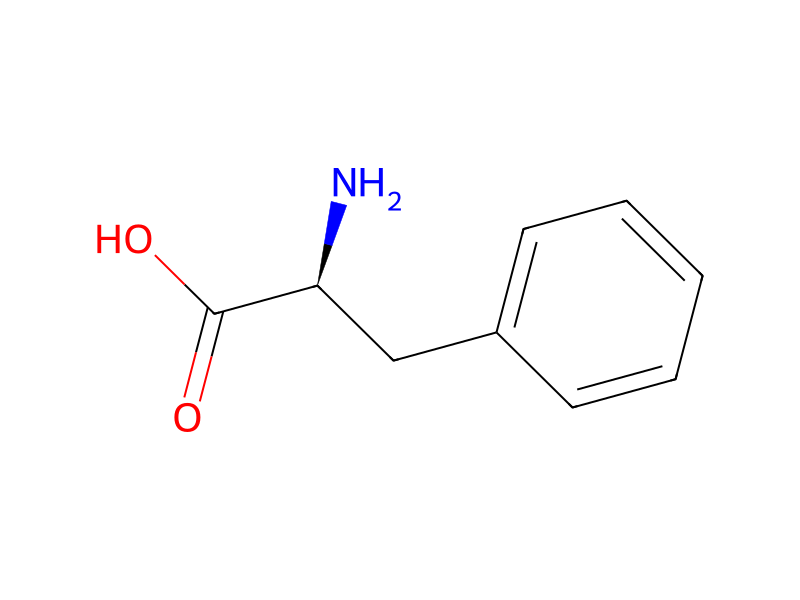
N-(N-Formyl-L-alpha-aspartyl)-3-phenyl-L-alanine → L-Phenylalanine
HRID 486861
反応式

[CH:1]([NH:3][C@H:4]([C:9]([NH:11][C@H:12]([C:20]([OH:22])=[O:21])[CH2:13][C:14]1[CH:19]=[CH:18][CH:17]=[CH:16][CH:15]=1)=[O:10])[CH2:5][C:6](=[O:8])[OH:7])=[O:2]>C(O)(=O)C>[CH:1]([NH:3][C@@H:4]1[C:9](=[O:10])[O:8][C:6](=[O:7])[CH2:5]1)=[O:2].[NH2:11][C@H:12]([C:20]([OH:22])=[O:21])[CH2:13][C:14]1[CH:19]=[CH:18][CH:17]=[CH:16][CH:15]=1参加物
4



実験手順
One example of method (ii) is described in U.S. Pat. No. 3,933,781. N-formyl-α-L-aspartyl-L-phenylalanine (hereinafter referred to as "F-α-AP") is formed by condensing N-formyl-L-aspartic acid anhydride and L-Phe in glacial acetic acid, followed by removal of the formyl group from the product to form α-L-aspartyl-L-phenylanine (hereinafter referred to as "α-AP"), isolation of the α-AP intermediate and finally esterification of the isolated intermediate to obtain α-APM.HCl. As with the other previously described method, this method also suffers the disadvantaqe of requiring isolation of an intermediate compound.