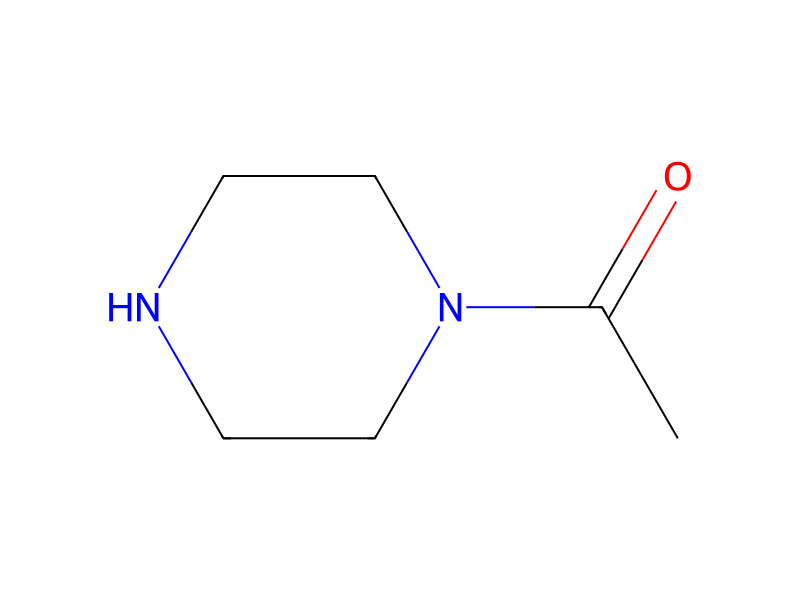
To a solution of O-phenyl N-(4-pyridyl)carbamate (446 mg) in 1,2-dichloroethane (5 ml) was added a suspension of 1-acetylpiperazine (1.12 g) in 1,2-dichloroethane (20 ml) at ambient temperature. The mixture was heated at 60° C. with stirring for 9 hours. The mixture was cooled to ambient temperature, and diluted with dichloromethane and water. The aqueous phase was separated and adjusted to pH 11.5 with sodium hydroxide solution. Excess sodium chloride was added to the aqueous solution. The mixture was extracted with a mixture of dichloromethane and methanol (about 10:1) and the organic phase was washed with brine. After drying with magnesium sulfate, the solvents were removed under reduced pressure. A residue was purified by column chromatography (silica gel 100 ml, dichloromethane:methanol aqueous ammonia=10:1:0.1). After rinse with diisopropyl ether, 1-acetyl-4-(4-pyridylaminocarbonyl)piperazine (398 mg) was obtained.