反応式

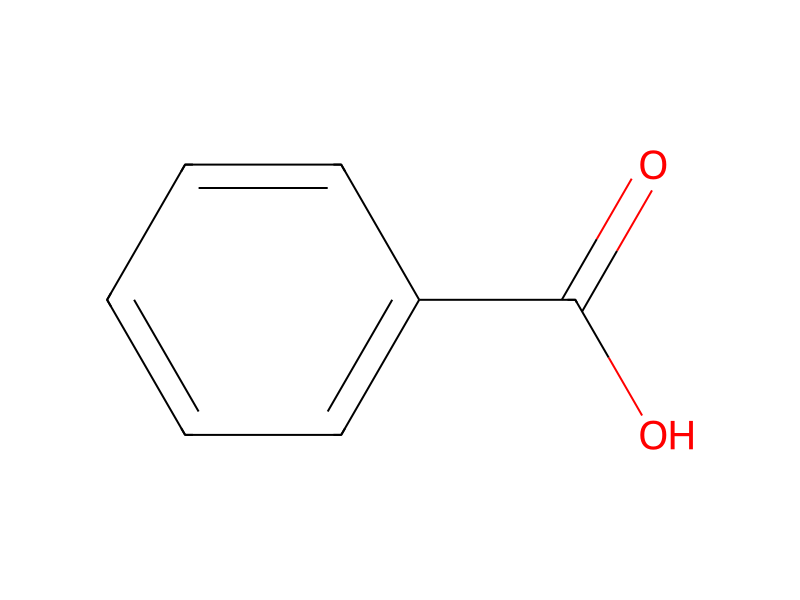
[C:1]([OH:9])(=O)[C:2]1[CH:7]=[CH:6][CH:5]=[CH:4][CH:3]=1.[C:10]1([CH3:17])[CH:15]=[CH:14][CH:13]=[C:12]([CH3:16])[CH:11]=1.CCCCN1C=[N+](C)C=C1>[Zn]>[CH3:17][C:10]1[CH:11]=[C:12]([CH3:16])[CH:13]=[CH:14][C:15]=1[C:1]([C:2]1[CH:3]=[CH:4][CH:5]=[CH:6][CH:7]=1)=[O:9]参加物



実験手順
Benzoic acid (0.31 g, 2.5 mmol), m-xylene (0.53 g, 5.0 mmol), [bmim] [NTf2] (0.50 g) and M(NTf2)2 (M=Co (0.14 g, 0.25 mmol), or Zn (0.15 g, 0.25 mmol) were placed in flasks equipped with stirrers and condensers. The contents of the flask were heated under reflux (ca 140-150° C.) for 2 days, then cooled to room temperature. The products were analysed by gas chromatographic analysis and found to give 93 and 87% conversions (for Co and Zn bis-triflimide reactions respectively) to 2,4-dimethylbenzophenone and, it is believed to be, 2,6-dimethylbenzophenone (11:1 isomer ratio in both cases). The results show that Zinc and cobalt bis-triflimide have been found to catalyse the benzoylation of m-xylene with benzoic acid. The reaction is slower that the corresponding reaction with benzoyl chloride. The catalyst was recycled and the reaction was repeated. The results of the repeat experiment are shown in Table 4.
後処理
- customequipped with stirrers and condensers
- temperatureThe contents of the flask were heated
- temperatureunder reflux (ca 140-150° C.) for 2 days
出典と根拠
- ORDレコード
- ord-95eb8ff5d4f948f08e3012264a4f78c4
- 出典データセット
- uspto-grants-2010_08
- 特許番号
- US07781625B2
関連ノート
読み込み中…