Cyanogen Bromide → HCID 178491277、化合物
HRID 518676
反応式

[NH2:1][C:2]1[CH:7]=[CH:6][C:5]([O:8][CH2:9][C:10]2[CH:15]=[CH:14][C:13]([O:16][CH3:17])=[CH:12][CH:11]=2)=[CH:4][C:3]=1[NH:18][C@@H:19]1[CH2:24][CH2:23][C@H:22]([C:25]([NH:27][CH:28]([CH3:30])[CH3:29])=[O:26])[CH2:21][CH2:20]1.[N:31]#[C:32]Br>CCO>[NH2:31][C:32]1[N:18]([C@@H:19]2[CH2:24][CH2:23][C@H:22]([C:25]([NH:27][CH:28]([CH3:30])[CH3:29])=[O:26])[CH2:21][CH2:20]2)[C:3]2[CH:4]=[C:5]([O:8][CH2:9][C:10]3[CH:11]=[CH:12][C:13]([O:16][CH3:17])=[CH:14][CH:15]=3)[CH:6]=[CH:7][C:2]=2[N:1]=1参加物
4
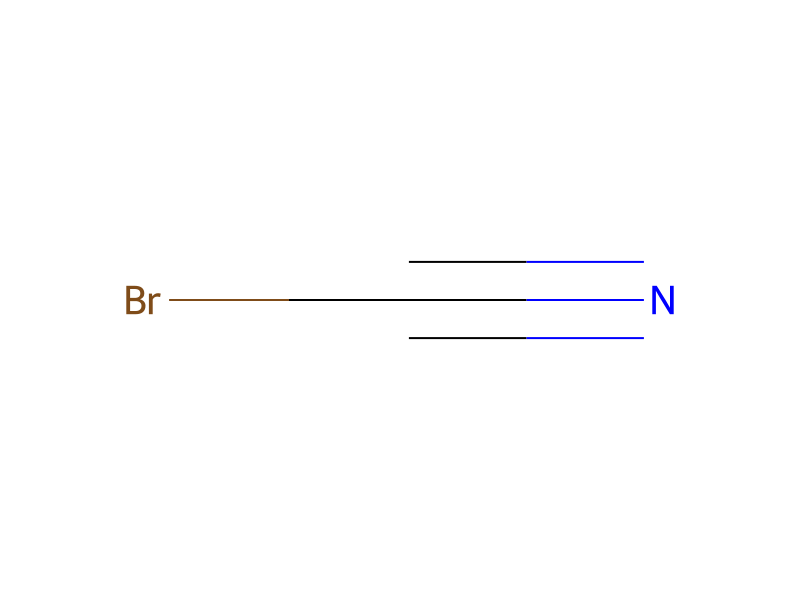



実験手順
To a solution of cis-4-(2-amino-5-(4-methoxybenzyloxy)phenylamino)-N-isopropylcyclohexanecarboxamide (400 mg, 0.972 mmol) in EtOH (4.8 mL) was added cyanic bromide (165 mg, 1.555 mmol) and the mixture was stirred at RT for 2 hours. The solvent was evaporated, and the residue was diluted with DCM (about 10 mL), washed with water, 1N aqueous NaOH, and brine. The organic layer was dried over Na2SO4, filtered and the solvent was removed to afford cis-4-(2-amino-6-(4-methoxybenzyloxy)-1H-benzo[d]imidazol-1-yl)-N-isopropylcyclohexanecarboxamide (424 mg).