Ethyl 2-[(2'-cyano-3-fluorobiphenyl-4-yl)methyl]-3-oxohexanoate → 3'-Fluoro-4'-[(5-oxo-7-propyl-4,5-dihydro[1,2,4]triazolo[1,5-a]pyrimidin-6-yl)methyl]biphenyl-2-carbonitrile
HRID 519460
反応式

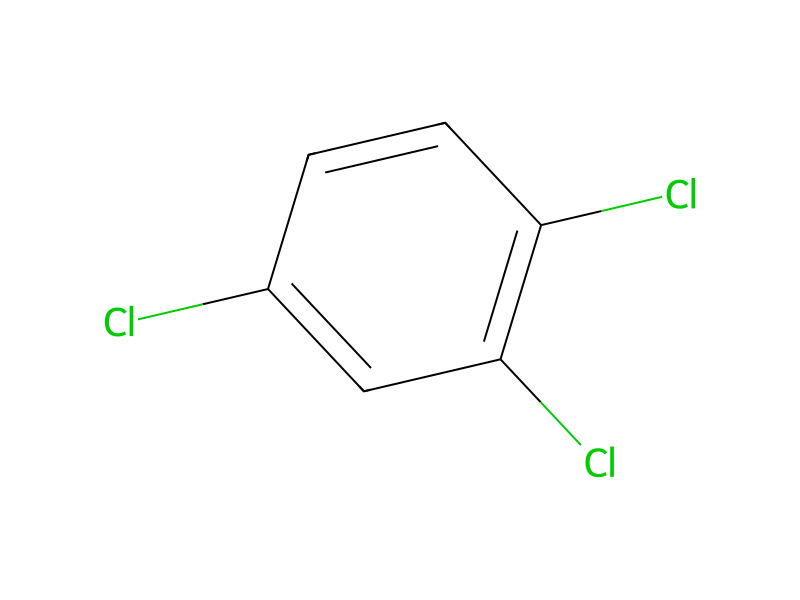
C[C:2]1[NH:3][C:4]([NH2:7])=[N:5][N:6]=1.[C:8]([C:10]1[CH:15]=[CH:14][CH:13]=[CH:12][C:11]=1[C:16]1[CH:21]=[CH:20][C:19]([CH2:22][CH:23]([C:29](=O)[CH2:30][CH2:31][CH3:32])[C:24](OCC)=[O:25])=[C:18]([F:34])[CH:17]=1)#[N:9]>ClC1C=CC(Cl)=CC=1Cl>[F:34][C:18]1[CH:17]=[C:16]([C:11]2[C:10]([C:8]#[N:9])=[CH:15][CH:14]=[CH:13][CH:12]=2)[CH:21]=[CH:20][C:19]=1[CH2:22][C:23]1[C:24](=[O:25])[NH:7][C:4]2[N:5]([N:6]=[CH:2][N:3]=2)[C:29]=1[CH2:30][CH2:31][CH3:32]参加物
4


実験手順
A solution of 5-methyl-4H-1,2,4-triazol-3-amine (8.9 g) and ethyl 2-[(2′-cyano-3-fluorobiphenyl-4-yl)methyl]-3-oxohexanoate (25 g) in 1,2,4-trichlorobenzene (120 mL) was stirred at 180° C. for 16 hr. After evaporation of the solvent under reduced pressure, ethyl acetate was added to the obtained residue. The precipitated solid was collected by filtration to give the title compound as a colorless solid (11.8 g, 43%).