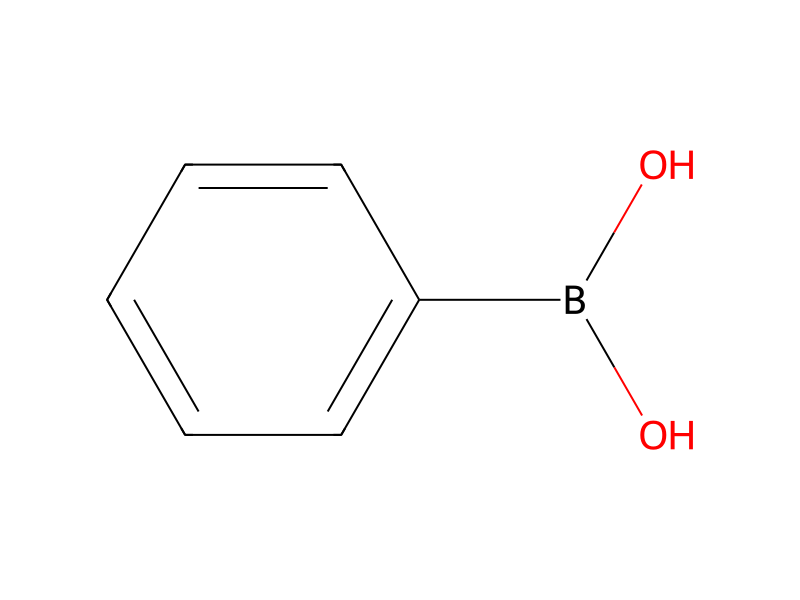
[Cl:1][C:2]1[N:11]=[CH:10][C:9]2[NH:8][C:7](=[O:12])[CH:6]([CH3:13])[N:5]([C:14]3[CH:19]=[CH:18][CH:17]=[CH:16][CH:15]=3)[C:4]=2[N:3]=1.C(N(CC)CC)C.[C:27]1(B(O)O)[CH:32]=[CH:31][CH:30]=[CH:29][CH:28]=1>ClCCl>[Cl:1][C:2]1[N:11]=[CH:10][C:9]2[N:8]([C:27]3[CH:32]=[CH:31][CH:30]=[CH:29][CH:28]=3)[C:7](=[O:12])[CH:6]([CH3:13])[N:5]([C:14]3[CH:15]=[CH:16][CH:17]=[CH:18][CH:19]=3)[C:4]=2[N:3]=1To a stirred solution of 2-chloro-7-methyl-8-phenyl-7,8-dihydropteridin-6(5H)-one (1.59 g, 5.78 mmol) in dichloromethane (75 mL) was added triethylamine (8.07 ml, 57.8 mmol), cupric acetate (2.09 g, 11.56 mmol) and phenylboronic acid (1.41 g, 11.56 mmol) followed by 4 Å molecular sieves (2 g). The resulting mixture was stirred for 48 h at rt with an air balloon on the top. The reaction mixture was then filtered over celite to give a clear solution. The solution was washed with aqueous saturated sodium bicarbonate (50 mL×2), dried over anhydrous sodium sulfate and evaporated to give a crude material, which was then purified by silica gel column chromatography (eluent: 2% methanol in dichloromethane) to give the desired product (750 mg, 37%). 1HNMR (300 MHz, CDCl3): δ 1.65 (d, J=6.9 Hz, 3H), 4.82 (q, J=6.9 Hz, 1H) and 7.36-7.65 (m, 11H).