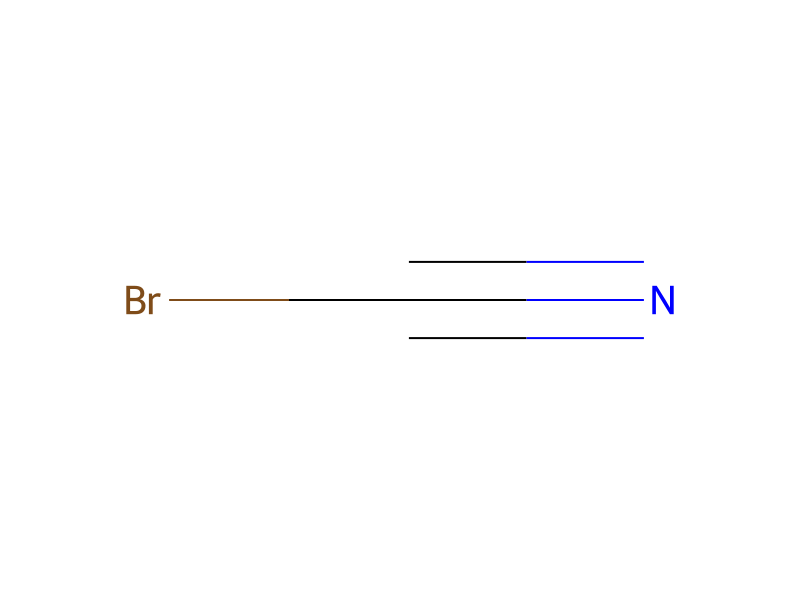
[CH2:1]([O:8][C:9]1[C:10]([O:21][CH3:22])=[C:11]([C:13]([C:16]2[NH:17][CH2:18][CH2:19][N:20]=2)=[CH:14][CH:15]=1)[NH2:12])[C:2]1[CH:7]=[CH:6][CH:5]=[CH:4][CH:3]=1.[CH2:23]([N:25](CC)CC)C.N#CBr>C(Cl)Cl.C(=O)(O)[O-].[Na+]>[CH2:1]([O:8][C:9]1[CH:15]=[CH:14][C:13]2[C:16]3[N:20]([CH2:19][CH2:18][N:17]=3)[C:23]([NH2:25])=[N:12][C:11]=2[C:10]=1[O:21][CH3:22])[C:2]1[CH:3]=[CH:4][CH:5]=[CH:6][CH:7]=1A mixture of 3-(benzyloxy)-6-(4,5-dihydro-1H-imidazol-2-yl)-2-methoxyaniline (Step 6, 100 g, 336 mmol) and triethylamine (188 mL) in DCM (3 L) was cooled to 0° C. and treated with cyanogen bromide (78.4 g, 740 mmol). The reaction mixture was stirred and allowed to warm to room temperature gradually. After 16 h the reaction mixture was diluted with a solution of saturated sodium bicarbonate and extracted with DCM. The organic layer was washed three times with saturated bicarbonate solution followed by multiple washes with brine. The organic layer was dried (sodium sulfate) and concentrated under reduced pressure to give a semi solid (130 g with triethylamine salt contamination): 1H NMR (DMSO-d6) δ: 7.30-7.48 (7H, m), 5.31 (2H, s), 4.32 (2H, m), 4.13 (2H, m), 3.81 (3H, s).