反応式

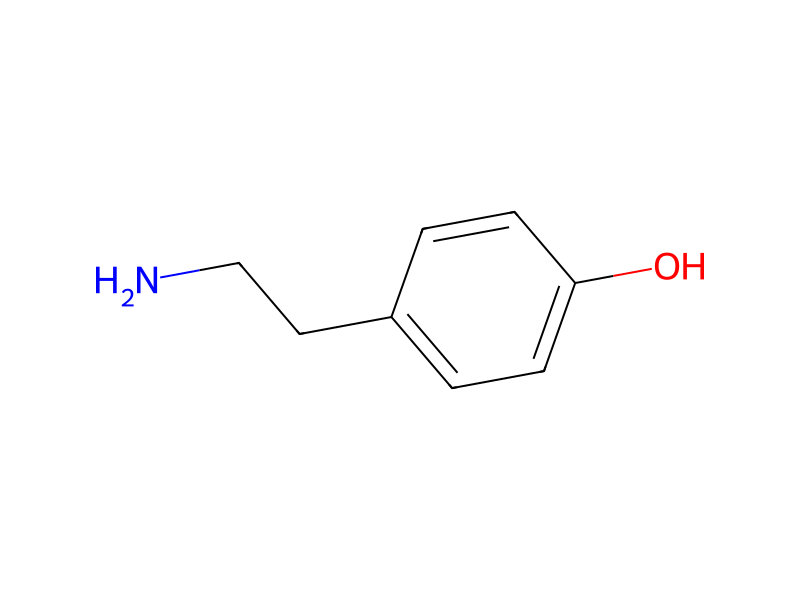
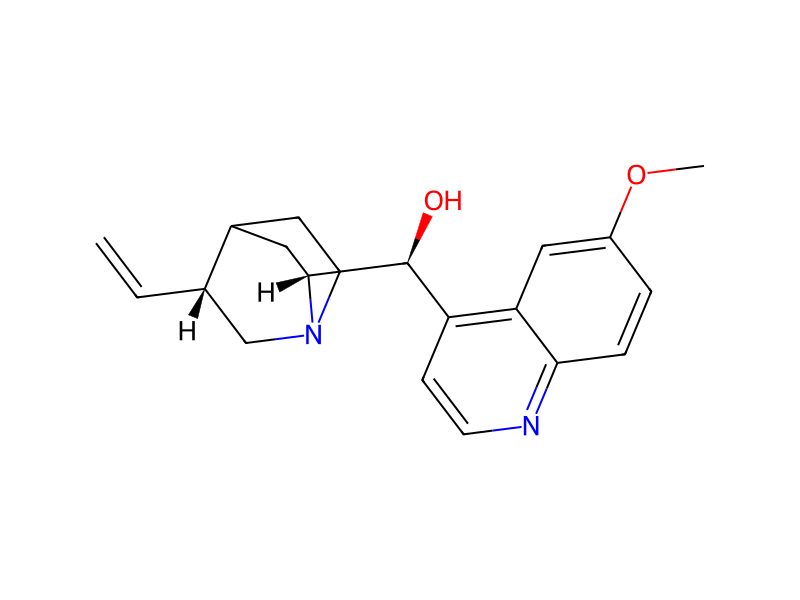
NCCC1C=CC(O)=CC=1.NCCC1C=CC(O)=C(O)C=1.COC1C=CC2N=CC=C([C@H](O)[C@@H]3N4C[C@H](C=C)C(CC4)C3)C=2C=1.[CH3:46][N:47]1[CH:56]([CH2:57][C:58]2[CH:59]=[CH:60][C:61]([O:65]C)=[C:62]([OH:64])[CH:63]=2)[C:55]2[CH:54]=[C:53](O)[C:52]([O:68]C)=[CH:51][C:50]=2[CH2:49][CH2:48]1.CN1[C@@H]2CC3C=CC(OC)=C4O[C@H]5[C@@H](O)C=C[C@@H]2[C@]5(C=34)CC1>>[CH:59]1[C:58]2[CH2:57][C@H:56]3[N:47]([CH2:48][CH2:49][C@@:50]45[C@H:55]3[CH:54]=[CH:53][C@H:52]([OH:68])[C@@H:51]4[O:64][C:62]([C:63]=25)=[C:61]([OH:65])[CH:60]=1)[CH3:46]参加物



実験手順
To examine the tyramine to dopamine step, dopamine (DA) levels in ganglia and hemolymph were examined before and after tyramine addition followed by CYP2D6 inhibition by quinidine. Tyramine injection significantly increased ganglionic (4.98±0.27 μg/g to 9.17±1.21 μg/g wet weight; P<0.01) and hemolymph (10.13±1.24 μg/mL to 16.47±1.28 μg/mL, P<0.05) DA levels (FIGS. 19 and 20). The ganglionic and hemolymph DA level increases were blocked by quinidine exposure, demonstrating that the CYP2D6 enzyme was mediating this step. Ganglia were also exposed to THP, reticuline, DA, or codeine. Each resulted in significantly enhanced morphine levels, a phenomenon that was also significantly blocked by quinidine exposure, again demonstrating a role for CYP2D6 in the second part of the morphine biosynthetic pathway (FIGS. 15 and 20).
出典と根拠
- ORDレコード
- ord-2ec5527aa42a48c2a66b77c8f7d0e87c
- 出典データセット
- uspto-grants-2014_10
- 特許番号
- US08865696B2
関連ノート
読み込み中…