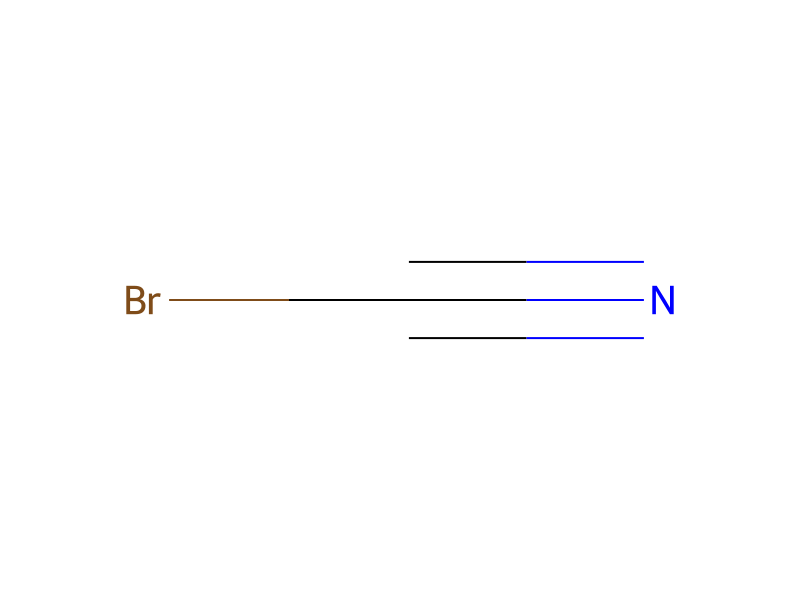
[CH:1]([C@H:4]1[CH2:8][O:7][C:6](=[O:9])[N:5]1[C:10]1[CH:15]=[CH:14][N:13]2[N:16]=[CH:17][C:18]([C:19]3[CH:28]=[CH:27][C:22]([C:23]([NH:25][NH2:26])=[O:24])=[CH:21][CH:20]=3)=[C:12]2[N:11]=1)([CH3:3])[CH3:2].[N:29]#[C:30]Br.C([O-])(O)=O.[Na+]>O1CCOCC1.O.CCOC(C)=O>[NH2:29][C:30]1[O:24][C:23]([C:22]2[CH:27]=[CH:28][C:19]([C:18]3[CH:17]=[N:16][N:13]4[CH:14]=[CH:15][C:10]([N:5]5[C@@H:4]([CH:1]([CH3:3])[CH3:2])[CH2:8][O:7][C:6]5=[O:9])=[N:11][C:12]=34)=[CH:20][CH:21]=2)=[N:25][N:26]=1To a suspension of (S)-4-(5-(4-isopropyl-2-oxooxazolidin-3-yl)pyrazolo[1,5-a]pyrimidin-3-yl)benzohydrazide (50 mg, 0.131 mmol) in 3 mL of p-dioxane was added cyanogen bromide (30.6 mg, 0.289 mmol) followed by a solution of NaHCO3 (13.3 mg, 0.158 mmol) in 1.5 mL of water. The resulting mixture became a clear tan solution within 3 minutes, and was allowed to stir at ambient temperature for 17 hours. The reaction was diluted with EtOAc, and the organic layer was washed with water and brine. The combined organic layers were dried over MgSO4 and concentrated under reduced pressure. The crude was purified by silica gel flash column chromatography (0-8% MeOH in dichloromethane) to afford 26 mg (49%) of (S)-3-(3-(4-(5-amino-1,3,4-oxadiazol-2-yl)phenyl)pyrazolo[1,5-a]pyrimidin-5-yl)-4-isopropyloxazolidin-2-one. 1H NMR (400 MHz, DMSO-d6) δ 9.11 (d, 1H), 8.79 (s, 1H), 8.26 (d, 2H), 7.91 (d, 1H), 7.82 (d, 2H), 7.23 (s, 2H), 4.97 (m, 1H), 4.52 (d, 2H), 2.76 (m, 1H), 1.06 (d, 3H), 0.86 (d, 3H); LCMS (APCI+) m/z 406.4 [M+H]+.