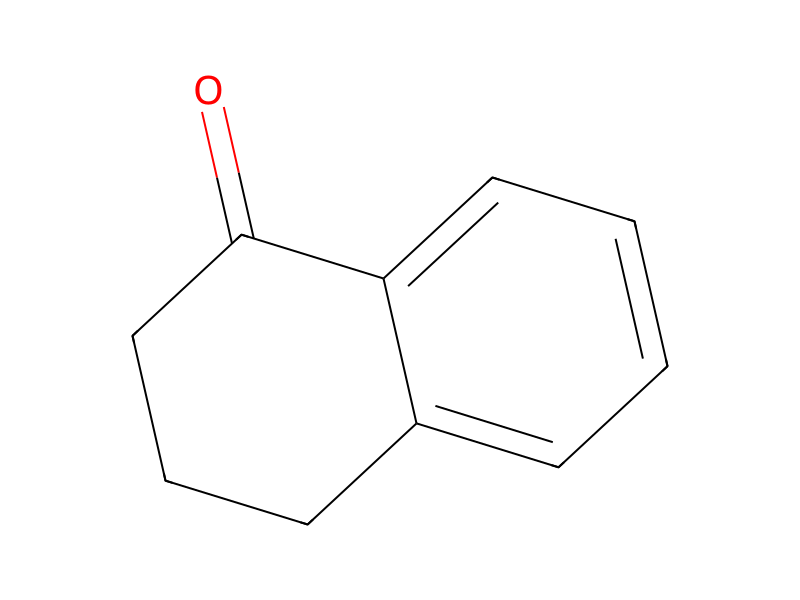
Acetic Acid → 2-(4-tert-butylbenzylidene)-3,4-dihydro-1(2H)-naphthalenone
HRID 54587
反応式

[C:1]1(=[O:11])[C:10]2[C:5](=[CH:6][CH:7]=[CH:8][CH:9]=2)[CH2:4][CH2:3][CH2:2]1.[C:12]([C:16]1[CH:23]=[CH:22][C:19]([CH:20]=O)=[CH:18][CH:17]=1)([CH3:15])([CH3:14])[CH3:13].[OH-].[K+].C(O)(=O)C>CO.O>[C:12]([C:16]1[CH:17]=[CH:18][C:19]([CH:20]=[C:2]2[CH2:3][CH2:4][C:5]3[C:10](=[CH:9][CH:8]=[CH:7][CH:6]=3)[C:1]2=[O:11])=[CH:22][CH:23]=1)([CH3:15])([CH3:13])[CH3:14]