Dimethylformamide → (5R)-3-(4-methoxyphenyl)-5-phenyl-2-oxazolidinone
反応式
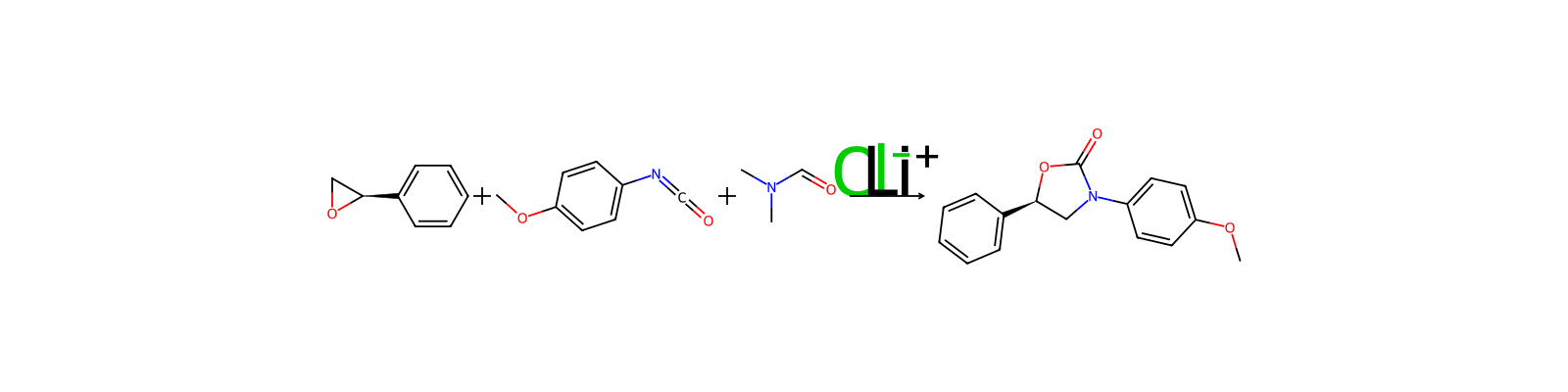
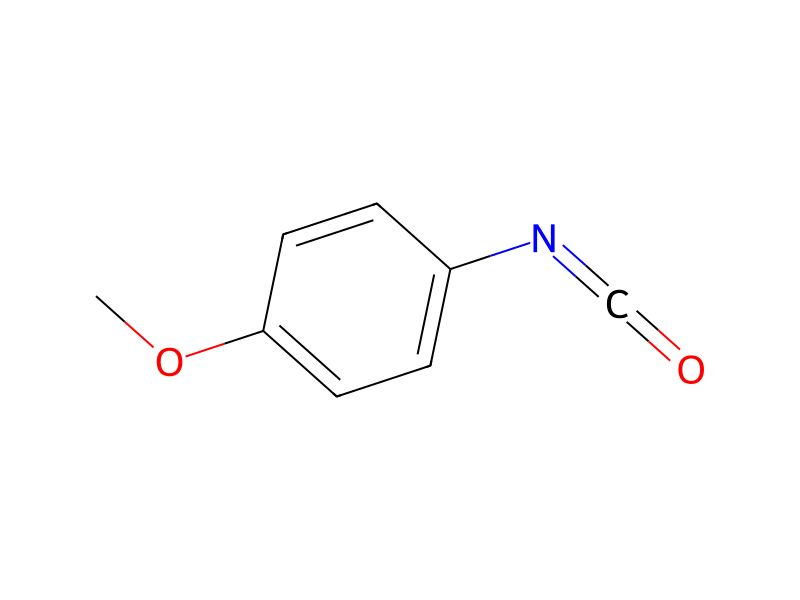
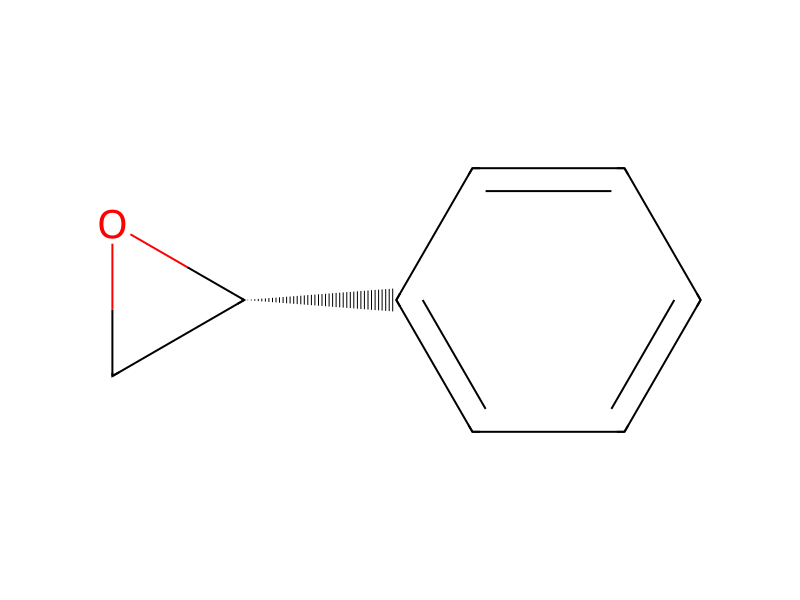
[CH2:1]1[O:9][C@@H:2]1[C:3]1[CH:8]=[CH:7][CH:6]=[CH:5][CH:4]=1.[CH3:10][O:11][C:12]1[CH:17]=[CH:16][C:15]([N:18]=[C:19]=O)=[CH:14][CH:13]=1.CN(C)C=[O:24]>[Cl-].[Li+]>[CH3:10][O:11][C:12]1[CH:17]=[CH:16][C:15]([N:18]2[CH2:19][C@@H:2]([C:3]3[CH:4]=[CH:5][CH:6]=[CH:7][CH:8]=3)[O:9][C:1]2=[O:24])=[CH:14][CH:13]=1参加物
5



実験手順
3.50 g (29.1 mM) of (R)-(+)-styrene oxide, 0.035 g of lithium chloride and 14 ml of N,N-dimethylformamide (DMF) were placed in a 50 ml-three necked flask. Under refluxing and stirring in nitrogen atmosphere, a solution of 4.38 g (29.4 mM) of 4-methoxyphenyl isocyanate in 3.5 ml of DMF was added dropwise to the mixture in 40 minutes, followed by refluxing for 40 minutes under stirring. After the reaction, the reaction mixture was poured into ice water to precipitate a crystal. The crystal was recovered by filtration, washed with water and recrystallized from methanol. The resultant crystal was purified by silica gel column chromatography (eluent: toluene/ethyl acetate =100/1) and recrystallized from a toluene/methanol mixture solvent to obtain 4.22 g of (5R)-3-(4-methoxyphenyl)-5-phenyl-2-oxazolidinone (Yield: 53.8%). This compound showed the following phase transition series.