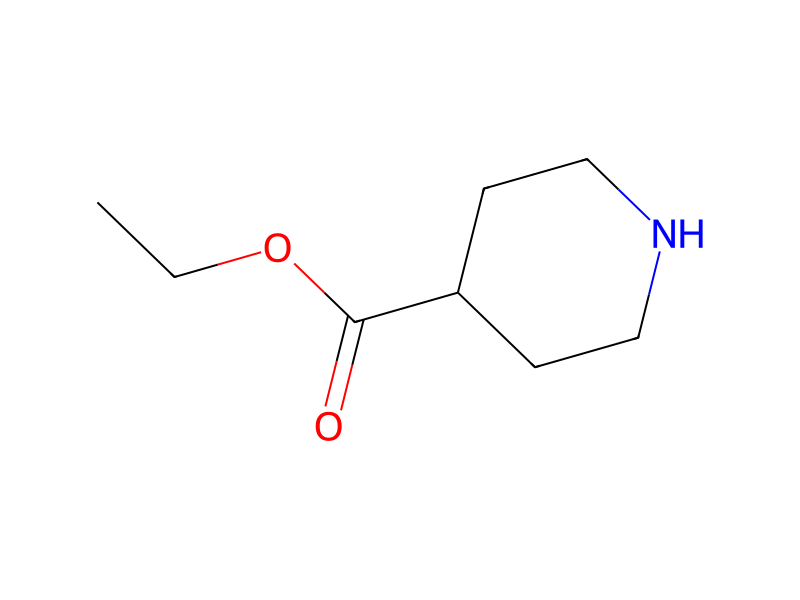
A mixture of 2-chloro-4-(4-chlorophenyl)-5-[3-(2-methoxyphenoxy)propyl]oxazole (378 mg), ethyl isonipecotate (1.57 g) and 2-butanone (10 ml) was stirred with heating under reflux for 6 hours. The reaction mixture was diluted with ethyl acetate (100 ml), and the organic layer was washed with a 10% aqueous solution of citric acid (50 ml) and dried over anhydrous magnesium sulfate. After the organic layer was concentrated, the residue was recrystallized from ethyl acetate-hexane to give ethyl N-[4-(4-chlorophenyl)-5-[3-(2-methoxyphenoxy)propyl]-2-oxazolyl]isonipecotate as pale yellow prisms (345 mg, 69%).