反応式

[O-2].[O-2].[O-2].[O-2].[O-2].[V+5:6].[V+5].[C:8]([OH:13])(=[O:12])[C:9]([OH:11])=[O:10].C(N)=O>O>[C:8]([O-:13])(=[O:12])[C:9]([O-:11])=[O:10].[V+5:6].[C:8]([O-:13])(=[O:12])[C:9]([O-:11])=[O:10].[C:8]([O-:13])(=[O:12])[C:9]([O-:11])=[O:10].[C:8]([O-:13])(=[O:12])[C:9]([O-:11])=[O:10].[C:8]([O-:13])(=[O:12])[C:9]([O-:11])=[O:10].[V+5:6]参加物



実験手順
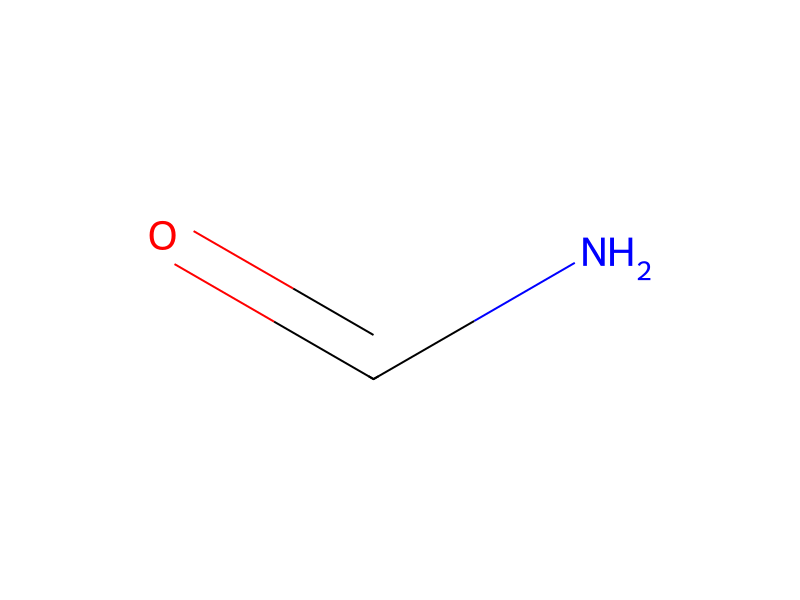
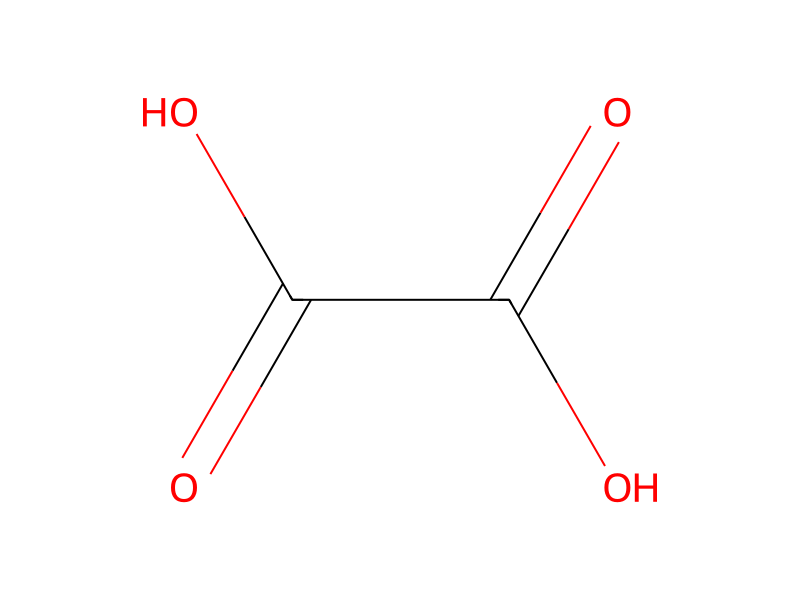
To 70 ml of water is added 1.51 grams of vanadium pentoxide, 3.32 grams of oxalic acid and 7.53 grams of formamide at room temperature with stirring to form vanadium oxalate. This solution was then mixed with 20.0 grams of the zirconium dioxide powder (which were first dispersed in 20 ml of water). The resulting mixture was heated with stirring at 65° C. to concentrate the mixture by evaporating the majority of the water, followed by drying in an oven (101 kPa) at 110° C. for 16 hours. The resulting solid was then calcined in a flowing oxygen gas stream at 450° C. for 2 hours, followed by crushing and screening to form -20+40 mesh particle size. The catalyst formed by the above impregnation procedure was determined by calculation (based on the vanadium salt and the weight of the zirconium dioxide particles) to contain 7.0 wt. % V2O5 on the ZrO2.
出典と根拠
- ORDレコード
- ord-ec8b006d9815426597044a9f55d5a1e5
- 出典データセット
- uspto-grants-1988_03
- 特許番号
- US04728744
関連ノート
読み込み中…