反応式

O1[CH2:5][CH2:4][N:3]=C1.[CH3:6][C:7]1[CH:12]=[CH:11][C:10]([C:13]2C=[CH:20][CH:19]=[CH:18][C:14]=2C(O)=O)=[CH:9][CH:8]=1.C(O)(=O)C1C=CC=CC=1.C1(C)C=CC([Mg]Br)=CC=1>C(#N)C1C=CC=CC=1>[CH3:6][C:7]1[CH:12]=[CH:11][C:10]([C:13]2[CH:14]=[CH:18][CH:19]=[CH:20][C:5]=2[C:4]#[N:3])=[CH:9][CH:8]=1参加物
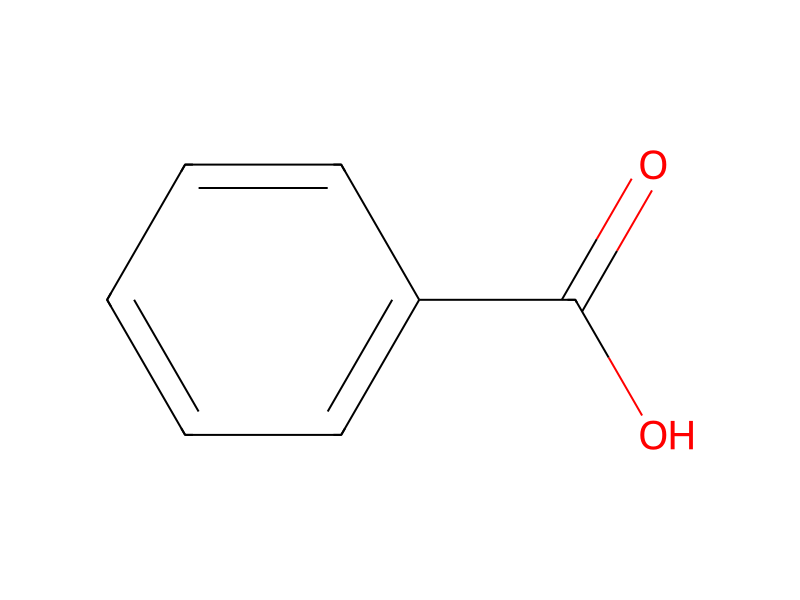


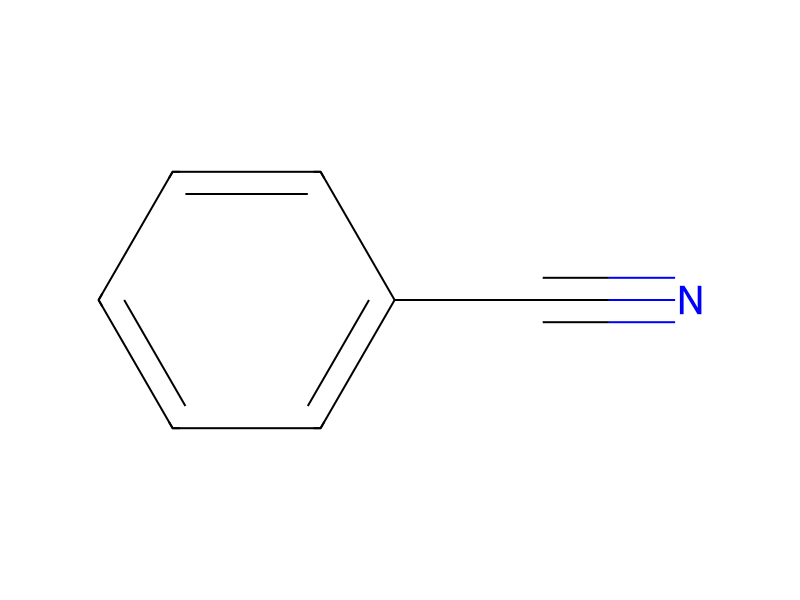
実験手順
Carini et al., J. Med. Chem., vol. 34 (1991), 2525-2547 disclose the application of the Meyers oxazoline method to the preparation of 2-(4'-methylphenyl) benzonitrile by the following steps: 1) 2-methoxybenzoic acid is reacted with thionyl chloride; 2) the acyl chloride formed is treated with 2-amino-2-methyl-1-propanol, which provides an amide in the crude form; 3) this amide is subjected to the action of thionyl chloride, forming 4,4-dimethyl-2-(2-methoxyphenyl)-oxazoline (yield 88% from the acid chloride); 4) this oxazoline derivative is reacted with p-tolyl-magnesium bromide and the complex formed is hydrolyzed, which gives 4,4-dimethyl-2-(4'-methylbiphenyl-2'-yl)-oxazoline (yield 91%); and 5) the oxazoline derivative formed is then treated with phosphorus oxychloride, which finally provides 2-(4'-methylphenyl)benzonitrile (yield 96%). The overall yield is 77% but this process has the disadvantage of requiring the use of 5 steps, starting from commercially available products, due to the prior formation of the dimethyloxazolinyl group and its subsequent conversion to the cyano group. U.S. Pat. No. 5,128,355 (to Carini et al.) similarly exemplifies the application of the multistep Meyers oxazoline method to the preparation of 2-(4'-methylphenyl)benzoic acid (Example 85), and the conversion of this benzoic acid to the benzonitrile (Example 89). Implicitly, these references illustrate that when an aryl magnesium reagent (in this case, p-tolyl magnesium bromide) is used directly to provide the aryl group in an arylbenzonitrile (in this case, 2-(4'-methylphenyl)benzonitrile) the nitrile group cannot be present in the substrate that is treated with the aryl magnesium reagent. It must be in a protected precursor form during the coupling process (in this case, as the dimethyloxazolinyl group).
出典と根拠
- ORDレコード
- ord-1aeef992b7f74e31b1c61590760d6ba5
- 出典データセット
- uspto-grants-1999_07
- 特許番号
- US05922898
関連ノート
読み込み中…