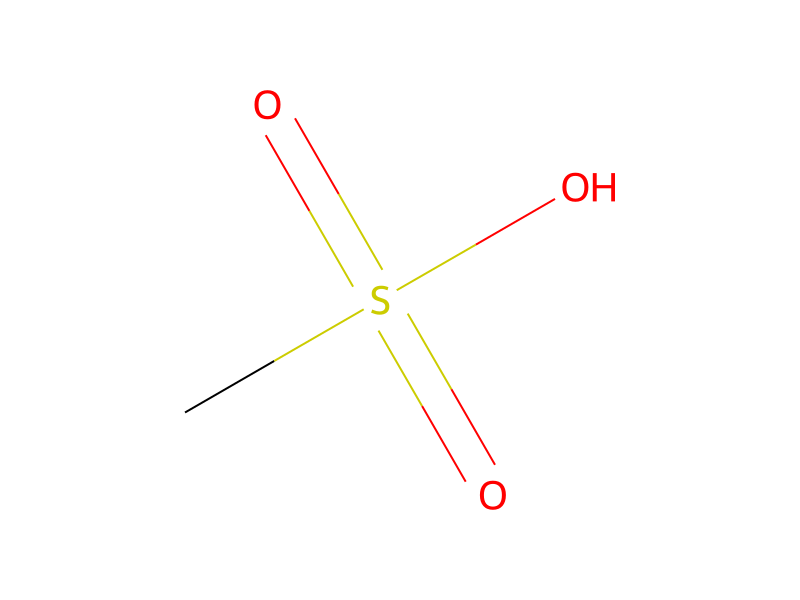
[F:1][C:2]1[CH:3]=[CH:4][C:5]([CH:9]([C:11]2[CH:16]=[CH:15][C:14]([F:17])=[CH:13][N:12]=2)[OH:10])=[C:6]([OH:8])[CH:7]=1.[OH:18][CH:19]1[CH2:24][CH2:23][N:22]([CH3:25])[CH2:21][CH2:20]1.CS(O)(=O)=[O:28].[C:31](=[O:34])([O-:33])O.[Na+]>ClCCCl.CC(C)=O>[F:1][C:2]1[CH:3]=[CH:4][C:5]([CH:9]([C:11]2[CH:16]=[CH:15][C:14]([F:17])=[CH:13][N:12]=2)[O:10][CH:19]2[CH2:24][CH2:23][N:22]([CH3:25])[CH2:21][CH2:20]2)=[C:6]([OH:8])[CH:7]=1.[C:19]([O-:18])(=[O:28])[C:31]([O-:33])=[O:34]A mixture of 5-fluoro-2-[(5-fluoropyridin-2-yl)hydroxymethyl]phenol (100 mg), 4-hydroxy-1-methylpiperidine (97 mg), methanesulfonic acid (109 μL) in 1,2-dichloroethane (3 mL) is heated for 1 hour at 80° C. The mixture is cooled back to room temperature, slowly basified with a saturated aqueous sodium hydrogencarbonate solution and extracted with dichloromethane. Pooled extracts are dried over magnesium sulphate and concentrated under reduced pressure. The residue is purified by column chromatography over silica gel (gradient dichloromethane/methanol/ammonia from 95/5/0.5 to 90/10/0.5) to afford the pure base that is then converted into its oxalate salt in acetone to give 5-fluoro-2-[(5-fluoropyridin-2-yl)(1-methylpiperidin-4-yloxy)methyl]phenol, oxalate melting at 105° C. HPLC-MS method A, RT=3.66 min.