Dimethylamine → 2-Dimethylamino-4-sec. butylamino-5-nitro-6-methylpyrimidine
反応式

Cl[C:2]1[N:7]=[C:6]([NH:8][CH:9]([CH2:11][CH3:12])[CH3:10])[C:5]([N+:13]([O-:15])=[O:14])=[C:4]([CH3:16])[N:3]=1.[CH3:17][NH:18][CH3:19]>C(N(CC)CC)C>[CH3:17][N:18]([CH3:19])[C:2]1[N:7]=[C:6]([NH:8][CH:9]([CH2:11][CH3:12])[CH3:10])[C:5]([N+:13]([O-:15])=[O:14])=[C:4]([CH3:16])[N:3]=1参加物
4
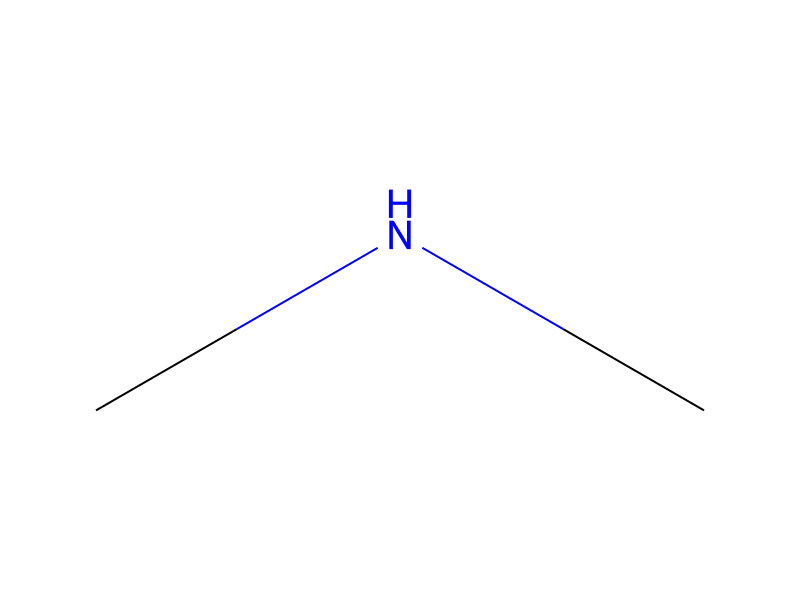



実験手順
10 ml of triethylamine are added to a solution of 15.9 g of 2-chloro-4-sec. butylamino-5-nitro-6-methylpyrimidine (0.065 mole) in 250 ml of alcohol. Then 4.5 g (0.1 mole) of dimethylamine are passed in and the mixture is boiled for 4 hours at 100° C. After it has cooled, the mixture is evaporated and the residue is suspended in water. The resultant precipitate is filtered off with suction and washed with water until no more chlorine ions are dissolved out. The product is dried in a water jet vacuum at 50° C to yield 16.2 g of 2-dimethylamino-4-sec. butylamino-5-nitro-6-methylpyrimidine (=98.5% yield) of m.p. 98°-100° C. On recrystallisation from petroleum ether, the melting point of the product rises to 109°-110° C.