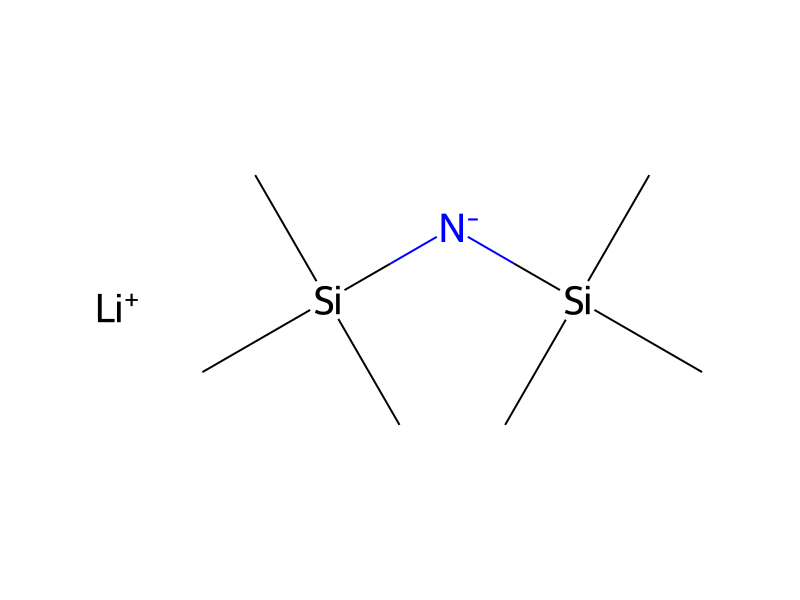
To a solution of 5-(isoquinolin-6-yl)isoxazol-3-amine (0.10 g, 0.47 mmol) in 4 mL of DMF at 0° C. was added LiHMDS (0.57 mL, 1.0 M in THF). The mixture was stirred for 20 minutes. Allyl 1H-benzo[d][1,2,3]triazole-1-carboxylate (0.14 g, 0.71 mmol) (prepared as described by Katritzky, A. et al. J. Phys. Org. Chem. 1993, 6(10), 567-73 which is hereby incorporated by reference for all purposes as if specifically set forth herein) was added to the mixture. The mixture was stirred for 20 minutes. The reaction was quenched with 5 mL of aqueous NH4Cl. The mixture was extracted three times with 10 mL of EtOAc, and the combined organic extracts were washed with 20 mL of brine and dried over MgSO4. Filtration and concentration under reduced pressure, followed by flash chromatography on silica gel (20% to 50% EtOAc/hexanes) afforded allyl 5-(isoquinolin-6-yl)isoxazol-3-ylcarbamate (0.075 g, 0.25 mmol, 54% yield) as a white solid. 1H NMR (400 MHz, DMSO-d6) δ ppm 10.92 (s, 1H), 9.39 (s, 1H), 8.59 (d, J=5.7 Hz, 1H), 8.57 (s, 1H), 8.27 (d, J=8.6 Hz, 1H), 8.16 (d, J=8.6 Hz, 1H), 7.96 (d, J=7.8 Hz, 1H), 7.45 (s, 1H), 6.03-5.95 (m, 1H), 5.39 (dd, J=1.4 Hz, 17.1 Hz, 1H), 5.27 (d, J=10.5 Hz, 1H), 4.68 (d, J=5.5 Hz, 2H).