Potassium Carbonate → HCID 66958197、化合物
反応式

Cl.[Cl:2][CH2:3][C:4]([NH:6][C:7]1[CH:8]=[N:9][C:10]2[C:15]([C:16]=1[NH:17][CH2:18][CH2:19][CH2:20][NH:21][C:22](=[O:28])[O:23][C:24]([CH3:27])([CH3:26])[CH3:25])=[N:14][CH:13]=[CH:12][CH:11]=2)=O.C(=O)([O-])[O-].[K+].[K+]>C(O)C.O>[Cl:2][CH2:3][C:4]1[N:17]([CH2:18][CH2:19][CH2:20][NH:21][C:22](=[O:28])[O:23][C:24]([CH3:27])([CH3:26])[CH3:25])[C:16]2[C:15]3[N:14]=[CH:13][CH:12]=[CH:11][C:10]=3[N:9]=[CH:8][C:7]=2[N:6]=1参加物
4



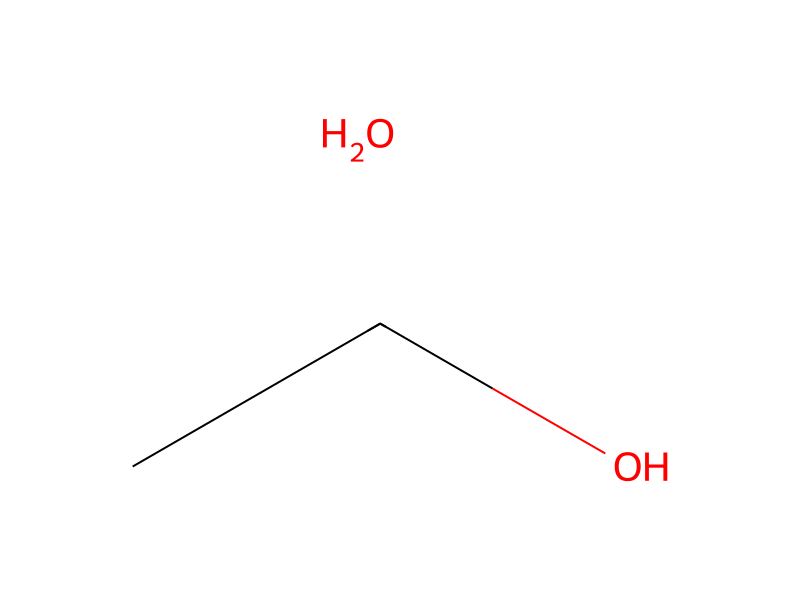
反応条件
- 温度
- 40 °C
実験手順
To a solution of tert-butyl 3-({3-[(chloroacetyl)amino][1,5]naphthyridin-4-yl}amino)propylcarbamate hydrochloride (from Part C, approximately 57.6 mmol) in 3:1 ethanol/water (240 mL) was added 6 M aqueous potassium carbonate. The reaction mixture was stirred at room temperature for 1 hour, 40° C. for 1.5 hour, then at room temperature overnight. The volatiles were removed under reduced pressure and the residue was partitioned between dichloromethane (250 mL) and water (150 mL). The aqueous layer was extracted with dichloromethane (2×75 mL). The organic layers were combined, dried over magnesium sulfate, filtered, and concentrated under reduced pressure to afford 18.9 g of tert-butyl 3-[2-(chloromethyl)-1H-imidazo[4,5-c][1,5]naphthyridin-1-yl]propylcarbamate.