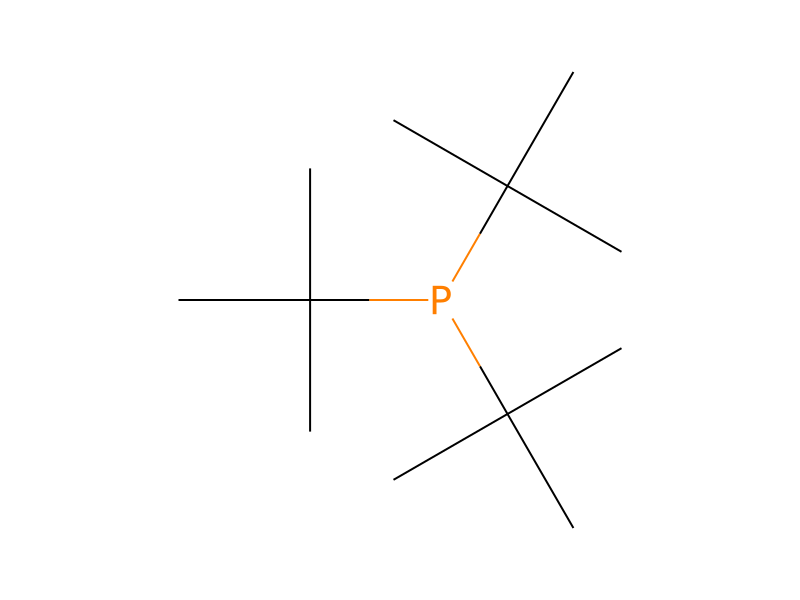
A mixture of 2,3,5,6-tetrafluoroaniline (4.5 g, 27.3 mmol), 4-ethylbromobenzene (5.0 g, 27 mmol), toluene (50 ml), sodium tert-butoxide (4.67 g, 48 mmol), tri-tert-butylphosphin (217 mg, 1.07 mmol) and bis-dibenzylideneacetone-palladium(0) (260 mg, 0.45 mmol) is heated under nitrogen to 85° C. for 15.5 h. The mixture is cooled to room temperature and water (30 ml), concentrated hydrochloric acid (20 ml) and hyflo are added. After stirring for 45 minutes, the mixture is filtered and the organic phase is washed with water three times. The solvent is evaporated in vacuo and the residue is chromatographed on silica using hexane/toluene (9:1 to 3:1) affording N-(2′,3′,5′,6′-tetrafluorophenyl)-4-ethylanilin as a liquid.