反応式

[CH:1]1[C:6]([CH2:7][CH2:8][CH2:9][C:10]([OH:12])=[O:11])=[CH:5][CH:4]=[C:3]([N:13]([CH2:17][CH2:18][Cl:19])[CH2:14][CH2:15][Cl:16])[CH:2]=1.[CH3:20][C:21]1([CH3:31])[N:26]([O:27])[C:25]([CH3:29])([CH3:28])[CH2:24][CH:23]([OH:30])[CH2:22]1>>[CH:5]1[C:6]([CH2:7][CH2:8][CH2:9][C:10]([OH:12])=[O:11])=[CH:1][CH:2]=[C:3]([N:13]([CH2:14][CH2:15][Cl:16])[CH2:17][CH2:18][Cl:19])[CH:4]=1.[CH3:20][C:21]1([CH3:31])[N:26]([O:27])[C:25]([CH3:29])([CH3:28])[CH2:24][CH:23]([OH:30])[CH2:22]1参加物
3
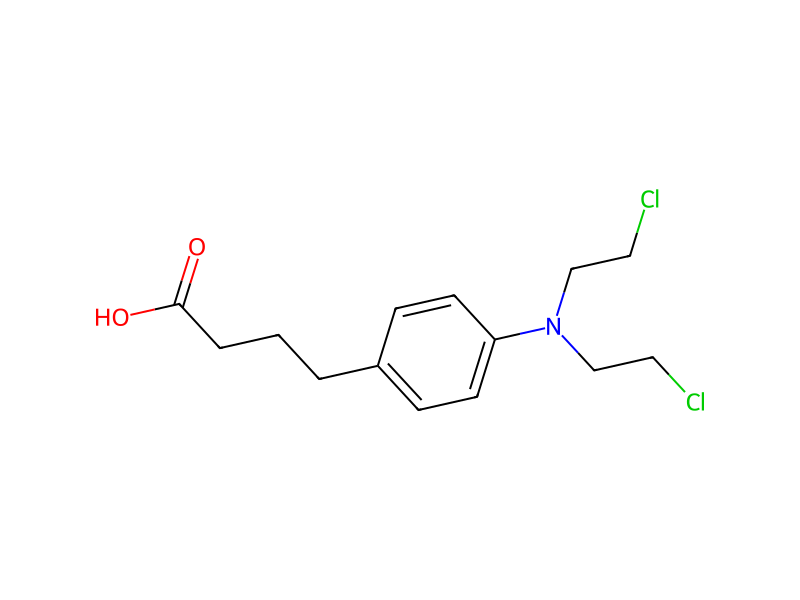


実験手順
All the peaks for the product are visible with a slight trace of impurity; proton signal of the reduced nitroxyl radical appears as a broad hump between 8 to 10 ppm. The peaks belonging to the chlorambucil moiety of the adduct are well characterized with the para substituted aromatic protons appearing in the region between 6.5 to 7.03 ppm. The dimethyl groups of TEMPOL appear together as a singlet at 1.3 ppm and the methylene groups at 1.75 -2.07 ppm, the N, N-diethyl chloride peaks in the region between 3.5 and 3.7ppm and the peaks belonging to the butanoic acid chain in the region of 1.75-1.93 and 2.2 -2.5 ppm, as indicated in the following table.
出典と根拠
- ORDレコード
- ord-a71ebc9877ef4061a22f971a6868a9c0
- 出典データセット
- uspto-grants-2011_03
- 特許番号
- US07910607B2
関連ノート
読み込み中…