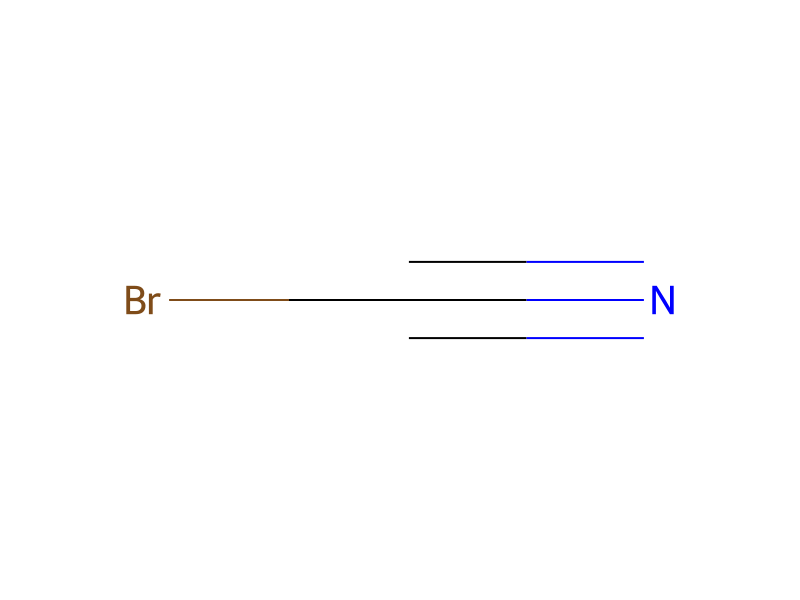
Cyanogen Bromide → ethyl 2-(2-amino-5,6-dichloro-4H-quinazolin-3-yl)acetate;hydrobromide
HRID 614904
反応式

[N:1]#[C:2][Br:3].[CH2:4]([O:6][C:7](=[O:20])[CH2:8][NH:9][CH2:10][C:11]1[C:16]([NH2:17])=[CH:15][CH:14]=[C:13]([Cl:18])[C:12]=1[Cl:19])[CH3:5]>C1(C)C=CC=CC=1>[CH3:5][CH2:4][O:6][C:7]([CH2:8][N:9]1[C:2]([NH2:1])=[N:17][C:16]2[CH:15]=[CH:14][C:13]([Cl:18])=[C:12]([Cl:19])[C:11]=2[CH2:10]1)=[O:20].[BrH:3]参加物
4



実験手順
A solution of cyanogen bromide (89.6 g, 0.85 mol) in toluene (1.6 liters) was poured into a solution of N-(6-amino-2,3-dichlorobenzyl)glycine ethyl ester (231 g, 0.834 mol) in toluene (1.6 liters). The temperature rose quickly from 18° to 31°. The mixture was slowly (1 hour) heated to reflux and refluxed for 12 hours. The mixture was cooled to room temperature and filtered, the product being washed with toluene both by decantation and on the filter. The residue was washed with ether and then dried under pump vacuum (0.5-1 mm Hg) over P2O5. A yield of 290 g (91%) of the title product was obtained as a brown powder. When heated this powder decomposed over a wide temperature range: 200°-300°.