ホームMCPワークベンチSkills
ホームワークベンチ通知マイページ
llms.txt · MCPガイドプライバシーポリシー · 利用規約 · サポートv1.8.0
  1. ホーム
  2. /反応

Nitrogen → {2-[5-(3-Chloro-phenyl)-1,3-dimethyl-2,4-dioxo-1,2,3,4-tetrahydro-pyrrolo[3,4-d]pyrimidin-6-yl]-ethyl}-carbamic acid tert-butyl ester

HRID 624595
ノート
印刷プレビュー

反応式

HRID 624595 の反応式
[C:1]([O:5][C:6]([NH:8][CH2:9][CH2:10][N:11]1[C:19](B(O)O)=[C:18]2[C:13]([N:14]([CH3:26])[C:15](=[O:25])[N:16]([CH3:24])[C:17]2=[O:23])=[CH:12]1)=[O:7])([CH3:4])([CH3:3])[CH3:2].C(=O)([O-])[O-].[K+].[K+].N#N.Br[C:36]1[CH:41]=[CH:40][CH:39]=[C:38]([Cl:42])[CH:37]=1>C(OC(=O)C)CCC.O.CCOC(C)=O>[C:1]([O:5][C:6](=[O:7])[NH:8][CH2:9][CH2:10][N:11]1[C:19]([C:36]2[CH:41]=[CH:40][CH:39]=[C:38]([Cl:42])[CH:37]=2)=[C:18]2[C:13]([N:14]([CH3:26])[C:15](=[O:25])[N:16]([CH3:24])[C:17]2=[O:23])=[CH:12]1)([CH3:4])([CH3:3])[CH3:2]
参加物反応条件実験手順後処理出典と根拠反応ノート

参加物

8

反応物 4

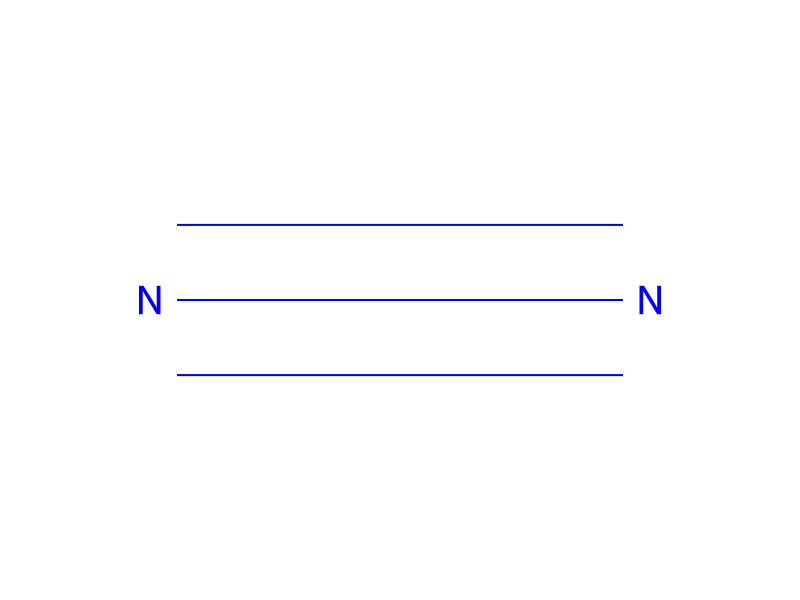
HCID 947NitrogenHCID 79281-Bromo-3-chlorobenzene2 回HCID 11430Potassium CarbonateHCID 86722916(6-(2-((tert-Butoxycarbonyl)amino)ethyl)-1,3-dimethyl-2,4-dioxo-2,3,4,6-tetrahydro-1H-pyrrolo[3,4-d]pyrimidin-5-yl)boronic acid

生成物 1

HCID 86722917{2-[5-(3-Chloro-phenyl)-1,3-dimethyl-2,4-dioxo-1,2,3,4-tetrahydro-pyrrolo[3,4-d]pyrimidin-6-yl]-ethyl}-carbamic acid tert-butyl ester

試薬・触媒・溶媒 3

HCID 962Water溶媒3 回HCID 8857Ethyl Acetate溶媒HCID 31272Butyl Acetate溶媒

反応条件

温度
80 °C

実験手順

(6-(2-((tert-Butoxycarbonyl)amino)ethyl)-1,3-dimethyl-2,4-dioxo-2,3,4,6-tetrahydro-1H-pyrrolo[3,4-d]pyrimidin-5-yl)boronic acid (step 4) (631 mg, 1.724 mmol), Pd-118 (commercial, CAS 95408-45-0) (51.1 mg, 0.078 mmol, 5 mol %) and potassium carbonate (433 mg, 3.13 mmol) were suspended in n-butylacetate (11.2 mL). The vessel was evacuated and back filled with N2 (×4). Under a stream of N2 was charged 1-bromo-3-chlorobenzene (commercial) (0.184 mL, 1.567 mmol) and water (0.056 mL, 3.13 mmol). The vessel was heated to 80° C. for 2 hrs under microwave irradiation. An additional amount of water (100 μL) and 1-bromo-3-chlorobenzene (0.184 mL, 1.567 mmol) was charged and the mixture heated to 80° C. for a further 2 hrs under microwave irradiation. The reaction mixture was diluted with water (40 mL) and EtOAc (20 mL) and the layers were separated. The aqueous was extracted with EtOAc (4×20 mL) and the combined organics were washed with brine (20 mL), dried (Na2SO4) and filtered under reduced pressure. Silica gel was added to the solution and the solvent evaporated under reduced pressure. The residue was purified via ISCO SiO2 80 g RediSep® Rf column eluting with 50-70% EtOAc/hexane. The fractions containing product were combined and evaporated to afford a pale tan solid, which was dried under vacuum at 50° C. for 3 hrs. This afforded the title product as a pale tan solid.

後処理

  1. customThe vessel was evacuated
  2. additionback filled with N2 (×4)
  3. temperaturethe mixture heated to 80° C. for a further 2 hrs under microwave irradiation
  4. customthe layers were separated
  5. extractionThe aqueous was extracted with EtOAc (4×20 mL)
  6. washthe combined organics were washed with brine (20 mL)
  7. dry with materialdried (Na2SO4)
  8. filtrationfiltered under reduced pressure
  9. additionSilica gel was added to the solution
  10. customthe solvent evaporated under reduced pressure
  11. customThe residue was purified via ISCO SiO2 80 g RediSep® Rf column
  12. washeluting with 50-70% EtOAc/hexane
  13. additionThe fractions containing product
  14. customevaporated
  15. customto afford a pale tan solid, which
  16. customwas dried under vacuum at 50° C. for 3 hrs

出典と根拠

ORDレコード
ord-79083db6480f45b7bec064d42c7c981b
出典データセット
uspto-grants-2016_04
DOI
10.6084/m9.figshare.5104873.v1
特許番号
US09303035B2

反応ノート

読み込み中…

このページの内容参加物反応条件実験手順後処理出典と根拠反応ノート


