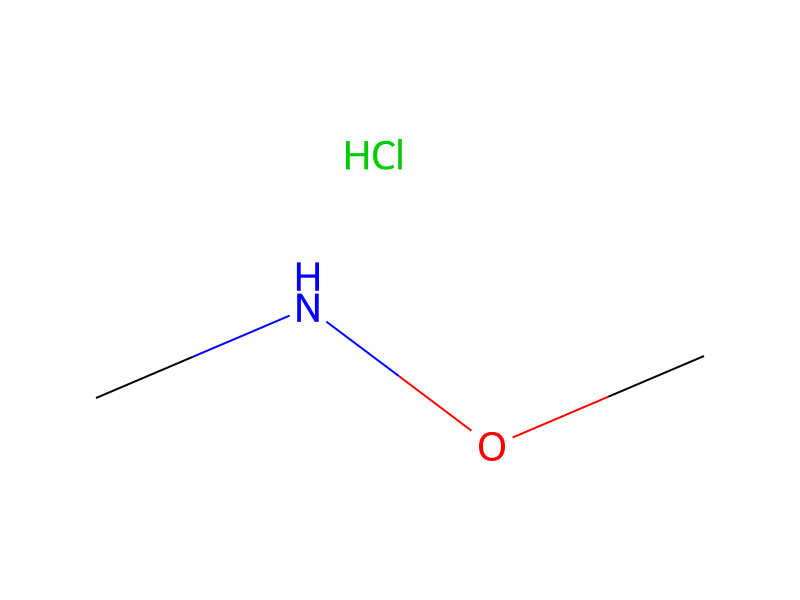
To a suspension of 2-bromo-5-fluorobenzoic acid (2.0 g, 9.13 mmol) in DCM (90 mL) at room temperature was added N,O-dimethylhydroxylamine hydrochloride (1.069 g, 10.96 mmol), N-(3-dimethylaminopropyl)-K-ethylcarbodiimide hydrochloride (2.276 g, 11.87 mmol), hydroxybenzotriazole (1.818 g, 11.87 mmol) and triethylamine (2.55 mL, 18.26 mmol). The resulting mixture was stirred at room temperature for 5.5 h after which time the reaction was quenched by addition of sat. aq. NaHCO3 solution and the layers separated. The organic layer was then washed with brine, dried over anhydrous MgSO4, filtered and concentrated in vacuo. The resulting crude material was purified by column chromatography (SiO2, 0-40% EtOAc/Hexanes) to afford 2-bromo-5-fluoro-N-methoxy-N-methylbenzamide as a white solid. 1H NMR (400 MHz, CDCl3) δ ppm 7.54 (dd, J=8.8, 4.9 Hz, 1H), 7.05 (dd, J=8.2, 3.0 Hz, 1H), 7.00 (td, J=8.4, 3.0 Hz, 1H), 3.50 (s, 2H), 3.38 (s, 3H).